


Key Takeaway
- What Causes Swelling After Blepharoplasty? Tissue trauma, fluid buildup, inflammation, certain medications, and post-operative care can all contribute to swelling.
- Tips to Reduce Swelling After Blepharoplasty? Use cold and warm compresses, keep the head elevated, clean gently, massage lightly, avoid strenuous activity, stay hydrated, eat anti-inflammatory foods, and follow your doctor’s instructions.
- How Long Does Swelling Last After Blepharoplasty? Swelling usually improves within 7-14 days, incisions heal in 1-3 months, and eyelids settle into their final shape within 6 months to 1 year.
Swelling after blepharoplasty is a common issue that everyone may experience and can cause some concern. However, it’s important to know that post-surgery swelling is normal and expected after this procedure.
Many people still wonder whether this swelling is unusual or a sign of a problem. This article will help you understand the common symptoms that can occur after double eyelid surgery and introduce ways to reduce swelling after blepharoplasty. Let’s take a closer look!
What Causes Swelling After Blepharoplasty?
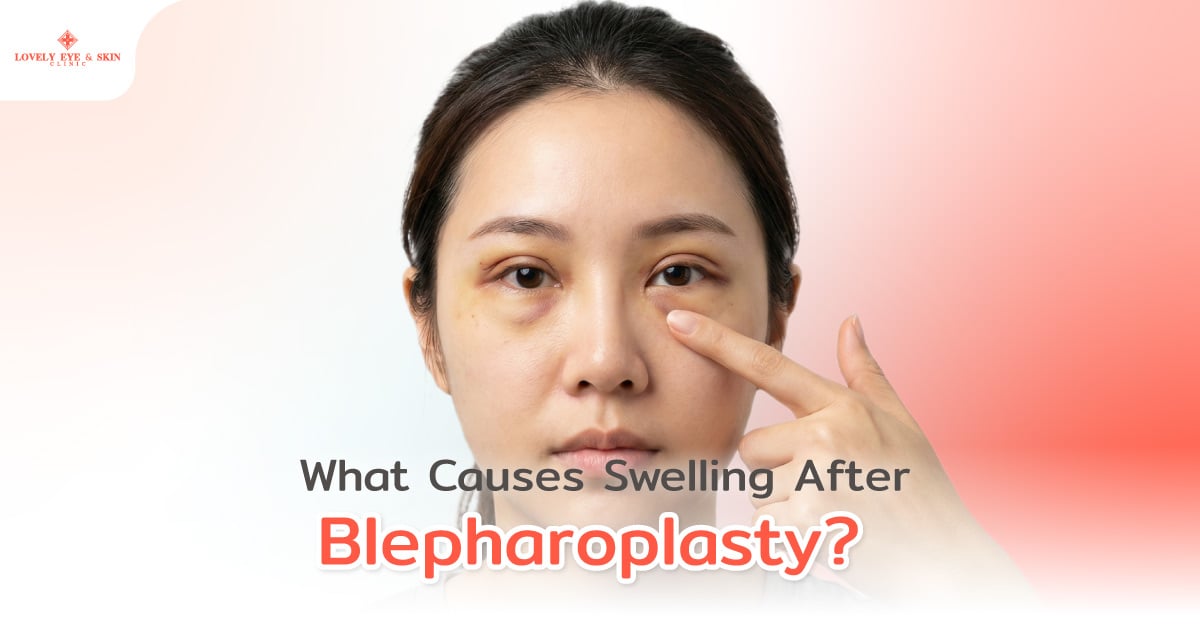
Swelling after blepharoplasty is common and occurs as a natural response of the body following the procedure. The swelling is caused by physical changes in the eyelid area, as double eyelid surgery involves cutting and reshaping the skin and tissues around the eyelids. This process can cause minor tissue damage, leading to the accumulation of blood and fluids around the surgical site, which results in swelling.
Other factors can also contribute to swelling, such as post-surgical inflammation, the body’s immune response, or the use of certain medications and post-operative care. However, the swelling usually subsides within 1-2 weeks, and sometimes even sooner, especially when proper home care techniques to reduce swelling after double eyelid surgery are followed.
Common Symptoms After Blepharoplasty
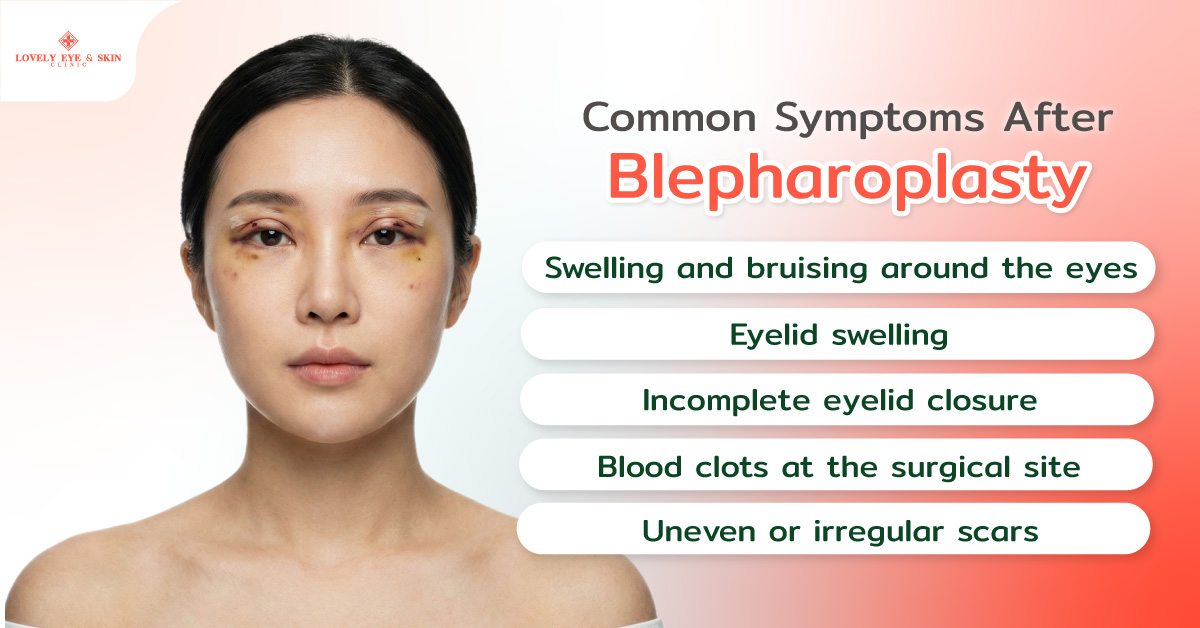
After double eyelid surgery, some patients may experience various side effects, and many wonder whether these symptoms are abnormal. The common symptoms that often occur after the procedure include.
- Swelling and bruising around the eyes are common after surgery and usually subside gradually on their own.
- Eyelid swelling The eyelids may appear puffy but will improve over time.
- Incomplete eyelid closure Some patients may find it difficult to fully close their eyes initially.
- Blood clots at the surgical site Small clots or lumps can form in the incision area.
- Uneven or irregular scars The incision line may look uneven at first but will smooth out as healing progresses.
8 Tips to Reduce Swelling After Blepharoplasty
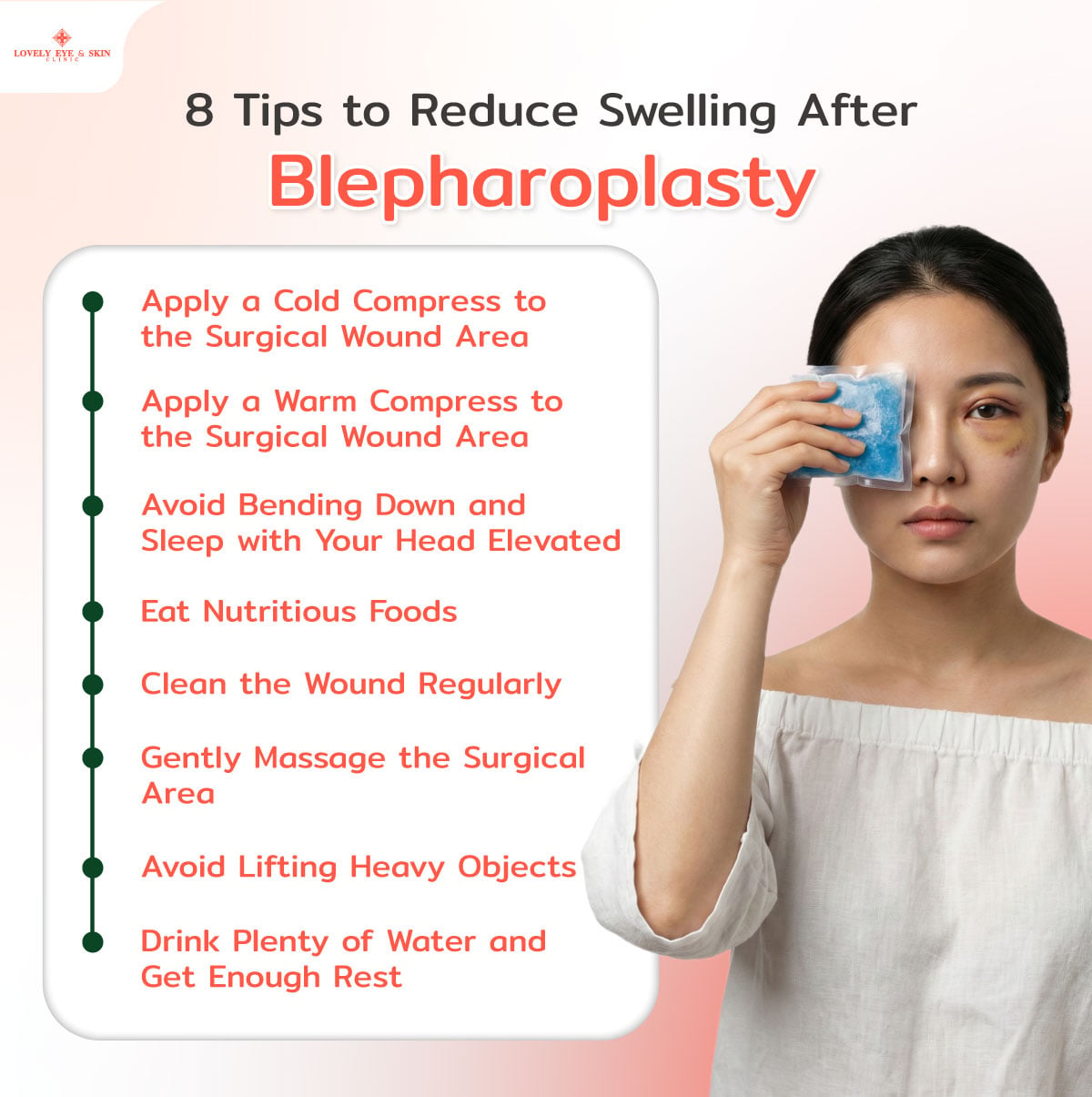
Here are 8 effective ways to help reduce swelling after blepharoplasty
1. Apply a Cold Compress to the Surgical Wound Area
Applying a cold compress to the surgical area is one of the most commonly used methods after eyelid surgery and can show quick results. Cold compresses can be started immediately after the procedure, typically using a chilled cloth or gel applied to the incision area for about 10-15 minutes at a time.
2. Apply a Warm Compress to the Surgical Wound Area
Using a warm compress on the surgical area can be started 5-6 days after the procedure and applied daily for up to one month. Apply the compress in the morning and evening for about 10 minutes each time. This method helps promote lymphatic drainage and reduce bruising around the surgical site.
3. Avoid Bending Down and Sleep with Your Head Elevated
To reduce swelling after blepharoplasty, keep your head elevated and avoid bending forward. Raising the head helps improve blood circulation, allowing blood to flow normally throughout the body, while avoiding bending forward reduces the risk of bleeding, which can also prevent dizziness.
4. Eat Nutritious Foods
Choose nutritious foods, especially vegetables and fruits that help reduce swelling, such as pumpkin, gotu kola, tomatoes, coconut, pineapple, papaya, and bananas. Avoid pickled foods, seafood, spicy dishes, and raw or undercooked foods, as these can cause raised scars or increase the risk of infection at the surgical site.
5. Clean the Wound Regularly
One recommended way to reduce swelling after blepharoplasty is to clean the surgical area very gently. After double eyelid surgery, any strong contact with the eyes can trigger swelling and increase the risk of infection. Therefore, it is important to avoid bumping or putting pressure on the incision site.
6. Gently Massage the Surgical Area
One effective way to reduce swelling after blepharoplasty is gentle massage around the incision. This helps relax tense muscles and promotes blood circulation in the area, allowing pooled blood to move more easily. Massage should only be started once the incision is fully healed, and it must be done gently to avoid altering the shape of the eyelid.
7. Avoid Lifting Heavy Objects
A key way to reduce swelling after blepharoplasty is to avoid strenuous activities, such as heavy lifting or intense exercise. These actions can tense the muscles and increase blood flow, which may cause the surgical site to tear or lead to re-bleeding.
8. Drink Plenty of Water and Get Enough Rest
An effective way to reduce swelling after blepharoplasty is to stay well-hydrated and get enough rest. Drinking 8-10 glasses of water daily helps the incision heal faster, while sufficient rest allows the body to recover and repair the surgical area more efficiently.

Post-Eyelid Surgery Self-Care Tips
Proper post-operative care after eyelid surgery is essential to help the incision heal faster, reduce swelling, minimize complications, and achieve beautiful double eyelids as desired. The recommended self-care methods after eyelid surgery include the following
- Apply cold compresses to the surgical area after the procedure.
- Clean the incision regularly and gently.
- Take all prescribed medications exactly as directed by your doctor.
- Avoid touching or rubbing your eyes.
- Refrain from consuming alcohol.
- Avoid seafood, pickled foods, and spicy dishes, among others.

How Long Does Swelling Last After Blepharoplasty?
Swelling after blepharoplasty usually subsides within 7-14 days. However, the recovery time may vary for each individual and depends on how closely post-operative care instructions to reduce swelling are followed.
How Long is the Recovery Period After Blepharoplasty?
Recovery time after double eyelid surgery varies for each individual. Generally, swelling gradually decreases over about 10 days, the incision heals completely within 1-3 months, and the double eyelids begin to take their final, natural shape within 6 months to 1 year.
Can I Drink Coffee after Blepharoplasty?
It is recommended to avoid drinking coffee for the first 1–2 days after double eyelid surgery, as caffeine can raise blood pressure and may worsen swelling or bruising. Once swelling subsides and recovery progresses well, you can resume drinking coffee in moderation, while ensuring you stay well-hydrated.

Blepharoplasty at Lovely Eye & Skin Clinic is Better
At Lovely Eye & Skin Clinic, double eyelid surgery is performed under the expertise of Dr. Roungkaw Lovely Eye, Nutthamanee Siripakkaphant, MD (License No. 35780), who has been developing her signature eyelid surgery techniques since 2010 and co-founded the clinic in 2014.
The clinic follows the Lovely Specialist standard, providing accurate and personalized guidance at every step—from consultation and selecting the right surgical technique to post-operative care. Recovery is enhanced using INDIBA Eye technology, which promotes deep tissue healing, improves blood circulation, reduces swelling and bruising, and accelerates post-surgery recovery. Additionally, it supports collagen production, aiding wound healing and tissue repair for optimal results.
Summary
Swelling, bruising, and tightness around the eyes are normal after double eyelid surgery due to tissue trauma and fluid buildup. Symptoms like incomplete eyelid closure, blood clots, and uneven scars usually improve over time. To reduce swelling, use cold and warm compresses, keep the head elevated, clean gently, massage lightly, avoid strenuous activity, stay hydrated, eat anti-inflammatory foods, and follow your doctor’s instructions. Swelling typically subsides in 7-14 days, incisions heal in 1-3 months, and eyelids settle in 6 months-1 year. Avoiding caffeine, alcohol, and certain foods early on can help minimize swelling and bruising.
At Lovely Eye & Skin Clinic, swelling after blepharoplasty can be effectively reduced using the INDIBA eye Restore program, which stimulates deep tissue healing, improves blood circulation, and boosts collagen production. This helps minimize swelling and bruising, promotes smoother wound healing, and allows the eyelids to settle into a natural, beautiful shape, ensuring a faster and more comfortable recovery with optimal results.
Frequently Asked Questions About Swelling After Blepharoplasty (FAQ)
Many people wonder about swelling after blepharoplasty. Knowing its causes and how to reduce it helps ensure a smoother recovery.
Can I exercise while still swollen?
It’s best to avoid strenuous exercise while your eyelids are still swollen. Physical activity increases blood flow and pressure, which can worsen swelling, cause bleeding, or affect the healing incision. Light walking is usually safe, but heavy lifting, running, or intense workouts should wait until your doctor gives clearance, typically after 1-2 weeks. Following this helps ensure a smoother recovery and better results.
Does swelling affect the final eyelid shape?
Mild to moderate swelling is normal and temporary, and it usually does not affect the final eyelid shape. Swelling can make the eyelids appear uneven or droopy in the first few weeks, but as it subsides over 1-2 weeks, the true shape gradually appears. Patience and proper post-operative care are key to achieving the desired result.
Is swelling worse in the morning?
Swelling is often more noticeable in the morning due to fluid accumulation overnight. Lying flat allows fluids to settle around the eyes, making puffiness worse upon waking. Using a slightly elevated pillow while sleeping and applying cold compresses in the morning can help reduce this effect.