


Key Takeaway
- Signs of aging skin include dehydrated skin, dull skin with deep wrinkles, sagging skin, less defined facial contour, dark circles under the eyes, and under eye bag. These concerns make the face appear fatigue and aging than actual age.
- Premature skin aging is often caused by decline in collagen and elastin, skin damage from UV exposure, pollution, and free radicals. Hormonal changes can also reduce the skin’s ability to repair itself
- Factors that contribute to premature aging include inadequate rest, not drinking enough water, prolonged stress, diet in sugar and unhealthy fats, smoking, not applying sunscreen regularly.
- Premature skin aging can be addressed by adjust your lifestyle habits, keep your skin moisturized, apply sunscreen regularly, do facial massage and exercise to improve blood circulation. You may choose appropriate aesthetic program to keep skin youthful.
Premature skin aging can be caused by various factors, including sun exposure, pollution, and everyday lifestyle habits, as well as internal factors such as genetics and blood circulation. These factors can contribute to oxidative stress and collagen breakdown, leading to a loss of firmness and elasticity and making the skin appear older than your actual age.
Therefore, proper skincare is essential for helping slow the signs of premature aging. Start by learning how to recognize the early signs of skin aging and discover effective ways to maintain a healthy, youthful-looking complexion.
Warning Signs of Aging Facial Skin
This issue usually does not occur immediately. However, it gradually develops noticeable signs over time. If you are able to recognize these signs early, you can take the next steps to take care of your skin. The warning signs include:
1.Wrinkles and crow feet
Wrinkles often occur due to facial expression in daily life. As getting older, hormones and collagen under skin will decline, resulting in less tighten skin and dryness. This can make the skin more prone to wrinkles, which often become noticeable around the outer corners of the eyes, nasolabial folds, and between the eyebrows. These are common signs that the skin may be experiencing premature aging.
2. Sagging skin with loss of firmness
Due to aging, it is normal that there will be less collagen and fat under the skin. This is the main cause of loss in skin plumping, firmness and elasticity. Your face may appear aging than the actual age.
3. Dry and dull skin
As we age, the skin produces less natural oil, which can lead to dryness and dehydration. This, combined with age-related declines in collagen and hormonal changes, as well as external factors such as sun exposure, stress, inadequate water intake, and smoking, can contribute to dull, lackluster skin and signs of premature aging.
4. Melasma and freckles
During 30s to 40s, hormonal changes is another cause of aging facial appearance. As collagen and elastin production declines, the skin will become thinner and less hydrated. Combined with sunlight exposure and inadequate skincare, this can make the skin more prone to melasma. In addition, exfoliating process will take more time, resulting in thicken of skin cell. This can increase risks of melasma and freckles occurance.
5. Changes in facial shape
The skin gradually loses its elasticity and ability to support itself, while the effects of gravity become more noticeable. This can lead to sagging and a loss of firmness, such as drooping cheeks, a more hollow appearance around the eyes, a heavier-looking jawline, or changes in facial contours. As a result, the face may appear older, tired, and less vibrant than before.
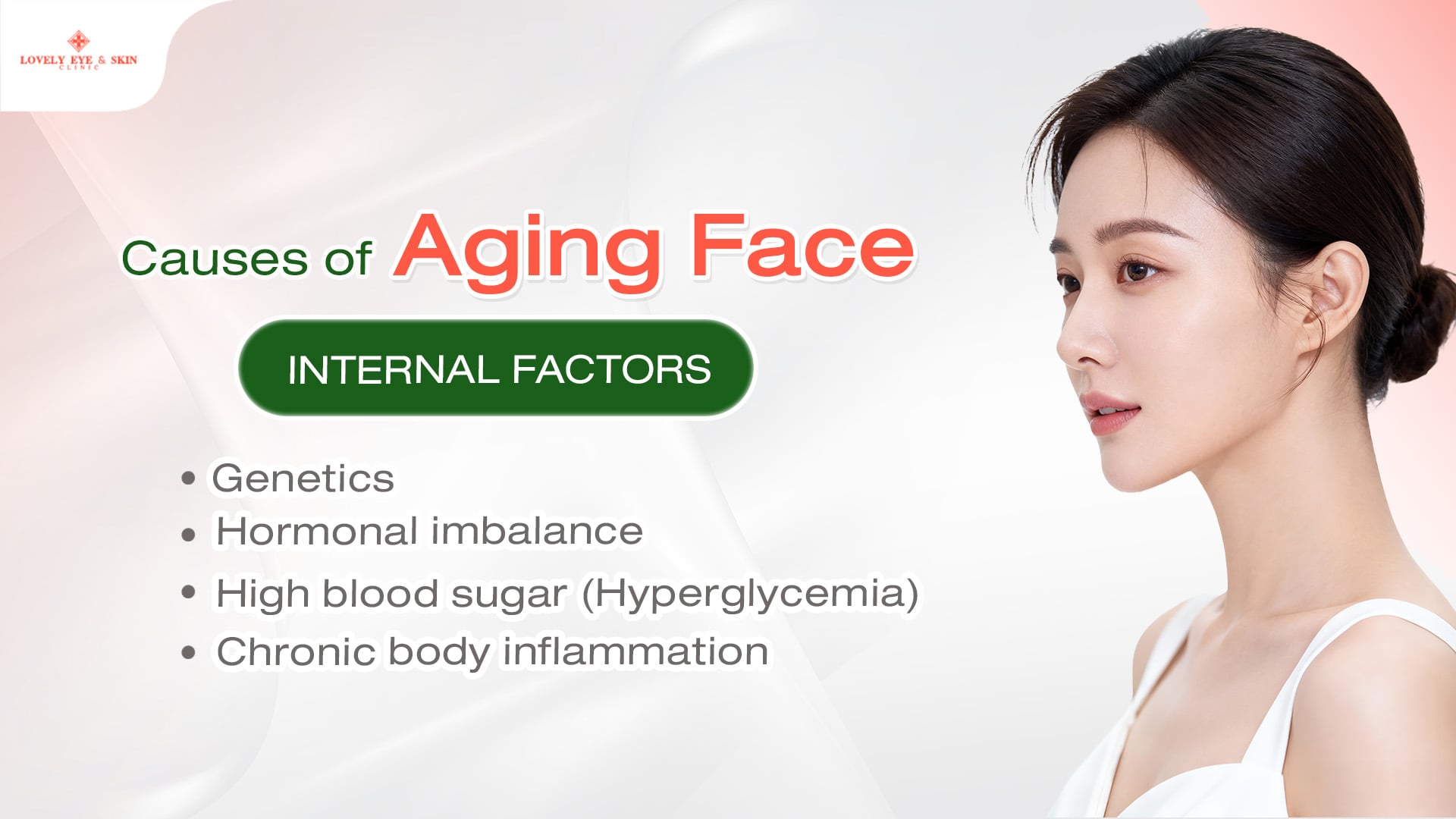
What are the Causes of Early Aging Face
There are internal and external factors that the skin is exposed to in daily life, including:
INTERNAL FACTORS
Internal factors are causes of premature skin aging that originate within the body and cannot be directly controlled, such as:
Genetics
Genetics is one of the key factors which determines how quickly cells age. If a person is genetically predisposed to skin aging, they may be more likely to experience signs of premature aging. In addition, as we age, skin cells naturally deteriorate, leading to a decline in collagen and elastin production. As a result, the skin becomes less firm and resilient, making it appear older.
Hormonal imbalance
Hormones also plays an important role in skin health. As you age, the body may produce less hormones or experience hormones imbalances. This may slow down the process of skin rejuvenation. As a result, the skin become weaker. At the same time, underlying health conditions or chronic diseases, even without noticeable symptoms, can affect cellular health which is clearly visible through the skin.
High blood sugar
Consuming too much sugar and refined carbohydrates can cause excess sugar bind to protein in the body, particularly collagen and elastin. This process, known as glycation, can damage these proteins and make them stiffer, leading to the formation of advanced glycation end products (AGEs). As a result, the skin may lose its elasticity, develop wrinkles, and show signs of premature aging.
Chronic body inflammation
Although chronic inflammation does not show any noticeable symptoms, it can interfere with normal cell function and accelerate the aging process.
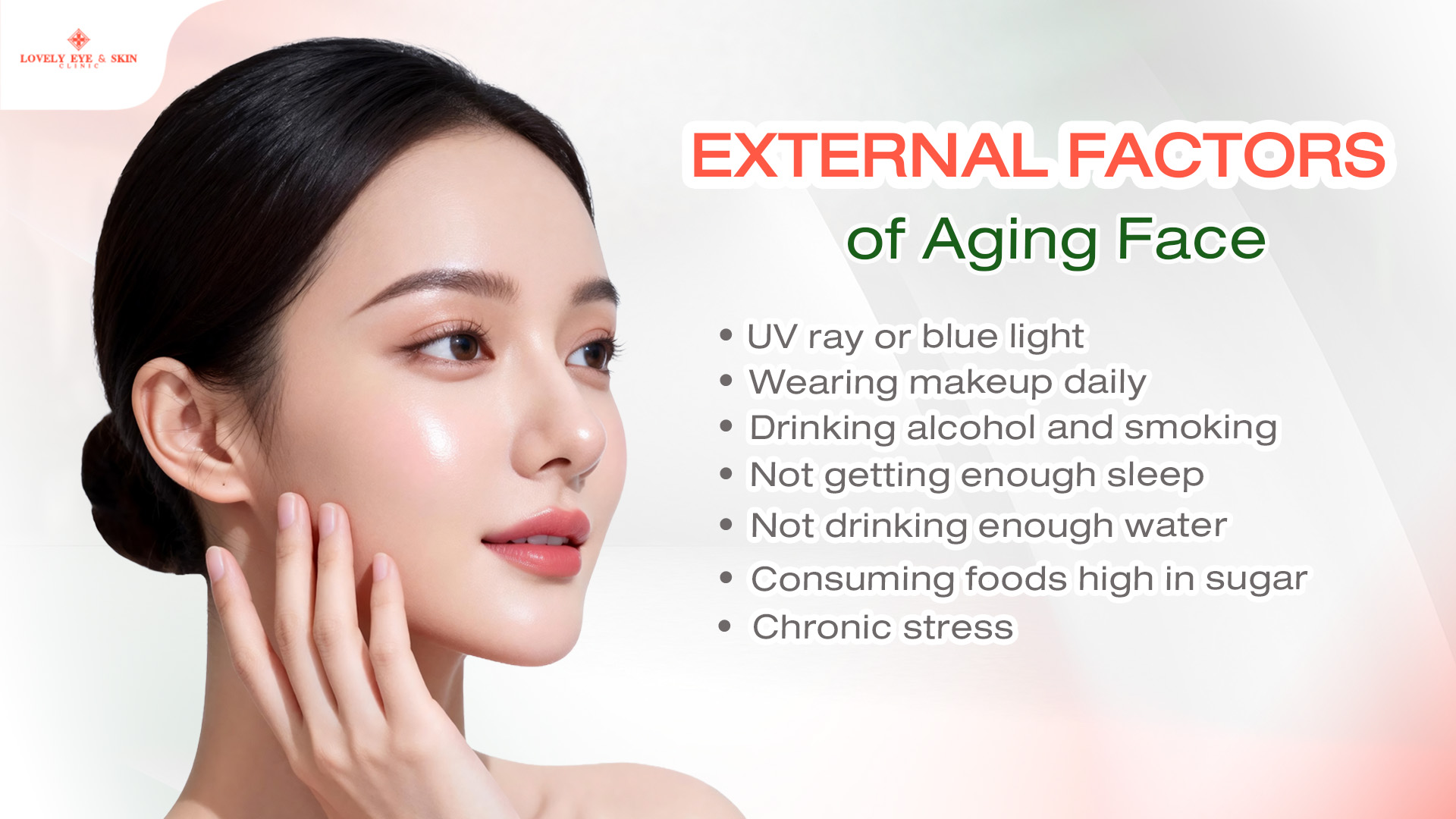
External Factors of Aging Face
External factors are causes related to daily habits, which directly affect skin health and contribute to aging face quickly.
UV ray or blue light
One of the external factors that can contribute to premature skin aging is exposure to sunlight and blue light from electronic screens. Sunlight, particularly ultraviolet (UV) radiation, has a much greater impact on the skin and can damage collagen and elastin over time. This can accelerate skin aging and contribute to wrinkles, melasma, and dark spots.
Wearing makeup daily
Another factor that is often overlooked is frequent makeup use, particularly when makeup is not properly removed. Certain cosmetic products may clog pores or irritate the skin, especially if they are not suitable for your skin type. Over time, this may affect the skin’s overall condition and make it appear dull, tired, or less healthy.
Drinking alcohol and smoking
Drinking alcohol regularly can contribute to dehydration and affect body's ability to maintain nutrition for healthy skin. As a result, the skin may appear dry and dull. Moreover, it may affect liver function and overall skin appearance.
Smoking damages the skin both internally and externally. Nicotine and other chemicals in cigarettes can reduce blood flow to the skin, limiting its supply of oxygen and essential nutrients. As a result, the skin may appear dull, develop wrinkles, and show signs of premature aging more quickly, as smoking can also contribute to the breakdown of collagen.
Not getting enough sleep
During sleep, the body carries out important repair and recovery processes that support healthy skin. Staying up late or not getting enough sleep can interfere with these processes, causing the skin to appear tired and dull and potentially contributing to visible signs of premature skin aging.
Not drinking enough water
Not drinking enough water can contribute to dehydration, which may affect the skin’s appearance. When your body is dehydrated, your skin may appear drier, less plump, and less supple, making fine lines more noticeable.
Consuming foods high in sugar
Regularly consuming excessive amounts of sugary foods can contribute to premature skin aging. Excess sugar in the body can bind to proteins through a process called glycation, leading to the formation of advanced glycation end products (AGEs). Over time, the accumulation of AGEs can damage proteins such as collagen and elastin, reducing the skin’s elasticity and contributing to the development of wrinkles and other visible signs of premature aging.
Chronic stress
Chronic stress is another factor that can contribute to premature skin aging. When you are under stress, your body releases cortisol, a hormone that can affect normal skin function and its ability to repair itself. Although cortisol levels typically return to normal after the stressful situation has passed, frequent or prolonged stress may contribute to a tired appearance and accelerate visible signs of skin aging.
Foods That Protect Face From Aging Early
Choosing nutritious foods can help support healthy skin from within by providing essential nutrients that help maintain normal cell function and protect the skin from oxidative stress. A balanced, nutrient-rich diet may also help support healthy skin aging. The examples include:
- Salmon, mackerel, sadine, and tuna are source of protein that helps repair and maintain skin cells. They also provide antioxidants and beneficial nutrients that support healthy skin, helping to maintain moisture and keep the skin looking plump and healthy.
- Pumpkin: Source of Beta Carotene which delays appearance of wrinkles and supports skin elasticity, making the skin appears smooth and firm.
- Tofu: helps restore sagging and tired-looking skin, making it appear brighter and fresher, while reducing the appearance of wrinkles and improving skin firmness.
- Honey: Helps improve skin hydration and elasticity, giving the skin a more youthful appearance and reducing the appearance of wrinkles. It also helps strengthen the skin and provides protective benefits against UV-related skin damage.
- Broccoli
- Green tea Rich in vitamin A and antioxidants, which help support skin cell repair and slow cellular damage. It also contains vitamin C, which supports collagen production, helping the skin appear more elastic, firm, and plump.
Tips to Prevent Premature Skin Aging
- Get enough sleep: Aim for around 7–8 hours of sleep each night and maintain a consistent sleep schedule. Adequate rest supports the body’s natural recovery processes and may help your skin look fresher and less tired.
- Apply sunscreen regularly: Daily sunscreen helps protect your skin from UV radiation, one of the major contributors to premature skin aging, wrinkles, and uneven pigmentation. Sunscreen should be applied every day, even when you stay indoor or not directly exposed to sunlight.
- Stay hydrated: Drink at least eight glasses of water each day to keep your skin hydrated and looking fresh. For an extra source of antioxidants, you can add a little lemon to water. This can help reduce wrinkles and delay aging.
- Take care of the eye area: The delicate skin around the eyes can be prone to fine lines, dark circles, and puffiness. In addition to using suitable eye-care products, a cool compress may temporarily help reduce puffiness and refresh the appearance of tired eyes.
- Try gentle facial exercises: Simple facial movements, such as forming the sounds A, E, I, O, and U, can engage different facial muscles. However, evidence that facial exercises can significantly tighten the skin, reshape the face, or prevent wrinkles remains limited.
- Gentle facial massage: Massage your face in gentle circular motions, moving from the chin toward the temples. This may help promote circulation and temporarily reduce puffiness, giving your face a fresher and more refreshed appearance.
- Practice facial yoga regularly: Facial yoga can help engage and strengthen the facial muscles. It may also help improve the appearance of firmness and give the face a fresher, more youthful look, although evidence for its ability to prevent wrinkles or reduce skin sagging remains limited.
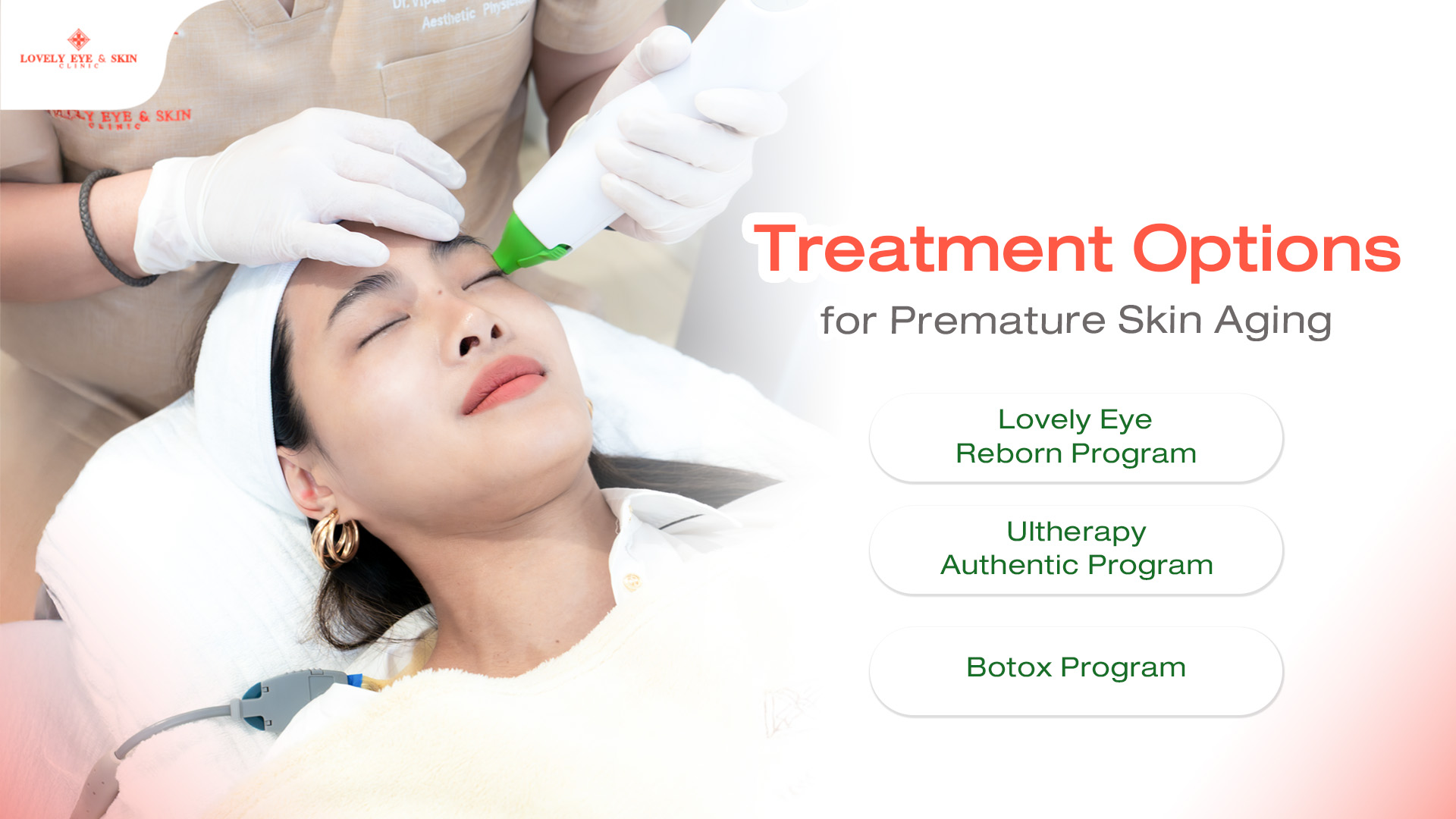
Treatment Options for Premature Skin Aging
Today, there is a wide range of options for skin rejuvenation and aging skin treatment. The most popular choices include:
Lovely Eye Reborn Program
Lovely Eye Reborn Program is an eye-area tightening treatment using Thermage technology. It delivers radiofrequency (RF) energy to generate controlled heat within the deeper layers of the skin. This causes existing collagen fibers to contract while stimulating new collagen production over time, helping the skin around the eyes appear firmer and tighter. The ThermaCool CPT system also features integrated cooling technology designed to improve comfort during the procedure.
Benefits
- Approximately 20-30% of the results may be visible immediately after treatment.
- Results may last approximately 4-8 months.
- Suitable for all skin tones and types.
- Helps the skin appear smoother and firmer at the same time.
Ultherapy Authentic
- Helps lift and tighten the facial skin, giving it a firmer and more youthful appearance.
- Helps define the jawline and improve overall facial contours.
- Helps lift drooping brows, creating a more refreshed appearance.
- Helps reduce the appearance of drooping eyelids, making the eyes look more open and refreshed.
- Helps reduce the appearance of a double chin and improve skin laxity around the neck.
- Helps enhance facial contours, creating a slimmer and more balanced appearance.
- No surgical incisions are required, with minimal to no downtime, allowing you to return to your normal daily activities after treatment.
Program
The Ultherapy Authentic Program is a non-surgical skin-lifting and tightening treatment using Ultherapy technology. It delivers focused ultrasound energy to targeted tissue depths, including the SMAS layer, while real-time ultrasound imaging allows the practitioner to visualize the treatment area for precise energy delivery. Some lifting and tightening effects may be noticeable after treatment, with results continuing to develop over time as new collagen is produced. Unlike surgical facelifts, the treatment does not require incisions and typically involves minimal to no downtime. Results from a single treatment may last approximately 1–2 years, although individual outcomes and duration may vary.
ฺฺBenefits
- Helps tighten facial skin, resulting in a plumper and more youthful appearance.
- Delivers defined facial contours.
- Addresses droopy eyebrows for refreshed look.
- Helps reduce the appearance of drooping eyelids, making the eyes look more open and refreshed.
- Helps reduce the appearance of a double chin and improve skin laxity around the neck.
- Helps enhance facial contours, creating a slimmer and more balanced facial appearance.
- No surgical incisions are required, with minimal to no downtime, allowing you to return to your normal daily activities after treatment.
Botox Program
The Botox Program involves injections of botulinum toxin to temporarily relax targeted muscles, helping reduce the appearance of dynamic wrinkles caused by facial expressions and creating a smoother, more youthful-looking appearance. One of its key advantages is that results can become noticeable relatively quickly. It may also help create a slimmer-looking facial contour in selected treatment areas, without surgery and with minimal to no downtime. The treatment may be suitable for individuals concerned about expression lines or those looking to maintain a refreshed, youthful appearance.
Benefits
- Helps reduce the appearance of dynamic wrinkles in areas such as the forehead, crow’s feet, and between the eyebrows.
- Helps create a more relaxed and youthful-looking appearance.
- Can help reduce the appearance of a prominent jawline caused by enlarged masseter muscles, creating a slimmer and more balanced facial contour.
- Results may become noticeable relatively quickly, and the procedure typically takes only a short time.
- No surgery or incisions are required, with minimal to no downtime.
- Can be combined with other aesthetic treatments when considered appropriate by a qualified medical professional.
Pico Plus Program
A picosecond laser delivers energy in ultra-short pulses to precisely target unwanted pigmentation while also stimulating collagen production in the skin. By minimizing damage to the surrounding tissue, the treatment can support faster recovery and may help reduce the risk of certain side effects.
Benefits
- Helps improve the appearance of uneven skin tone by approximately 85–90%.
- Helps reduce the appearance of dark spots, melasma, and freckles.
- Minimal to no downtime, allowing you to return to your normal daily activities immediately after treatment.
- Suitable for Asian skin types, particularly for conchealthyerns related to uneven skin tone.
Summary
Premature skin aging can be managed through a combination of lifestyle habits and consistent skincare, such as getting enough sleep, staying hydrated, applying sunscreen regularly, exercising, and gently massaging the face. These habits can help support healthy skin and minimize visible signs of aging over time.
For additional skin concerns, aesthetic treatments such as the Lovely Eye Reborn Program, Ultherapy Authentic Program, Botox Program, and Pico Plus Program may help improve skin firmness, reduce the appearance of wrinkles, and stimulate collagen production. Choosing a treatment that is appropriate for your skin condition and individual concerns can help achieve a firmer, more youthful-looking appearance while prioritizing safety.
For those considering Ultherapy, Lovely Eye & Skin Clinic offers treatments designed to lift and tighten the facial skin, enhance facial contours, and create a naturally refreshed and youthful appearance without surgery or significant downtime.
Frequently-Asked Questions (FAQ) About Aging Skin
Does dry skin cause aging skin?
Dry skin can contribute to the appearance of premature skin aging. When the skin lacks sufficient moisture, it may become less supple and elastic, making fine lines and wrinkles more noticeable. Dry skin can also appear dull and less plump, further emphasizing visible lines. Keeping the skin consistently well moisturized can help maintain a healthy skin barrier and reduce the appearance of dryness-related signs of aging.
Does exercise help delay aging skin?
Regular exercise can help support healthy skin and may reduce some factors associated with premature skin aging. Exercise promotes healthy blood circulation, helping deliver oxygen and nutrients throughout the body, which can contribute to a brighter, more radiant complexion. It can also help reduce stress, a factor associated with skin aging, and support overall skin health, helping the skin appear healthier and more youthful.
What lifestyle habits can aging face?
Not getting enough sleep can interfere with the skin’s natural repair and recovery processes, leaving it looking tired and making signs of aging more noticeable. Not drinking enough water may contribute to dehydration, causing the skin to appear dry and less plump. Frequently consuming sugary, high-fat, or highly processed foods may also contribute to processes associated with collagen damage. In addition, chronic stress and not using sunscreen regularly are lifestyle factors that can contribute to visible signs of premature skin aging.

Information provided by Dr. Ming Lovely Eye
Dr. Vipas Supakarapongku, M.D. Medical License No. 50371
One of the Lovely Skin meical team A member of the Lovely Skin medical team, specializing in aesthetics and dermatology at Lovely Eye & Skin Clinic (2019 – Present).