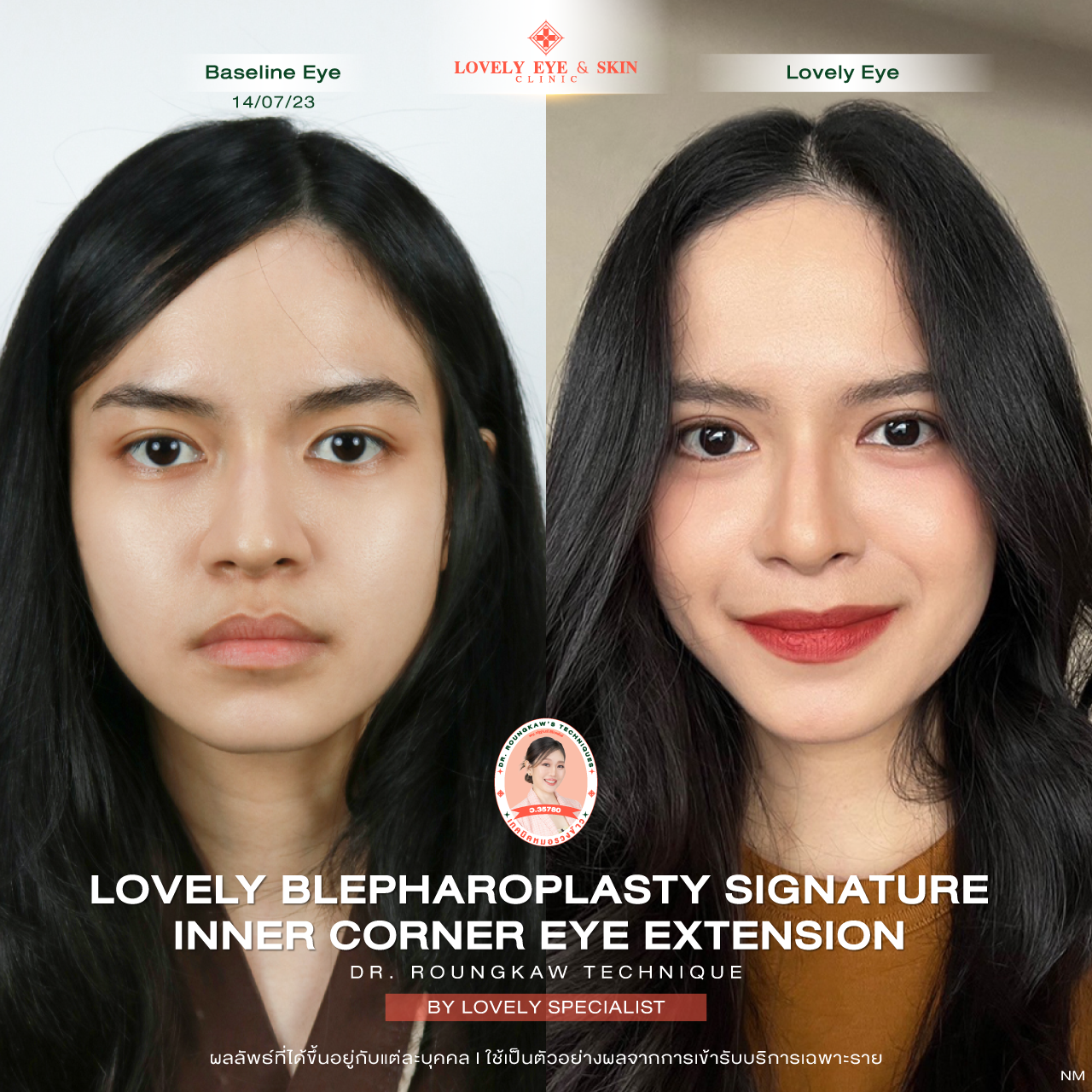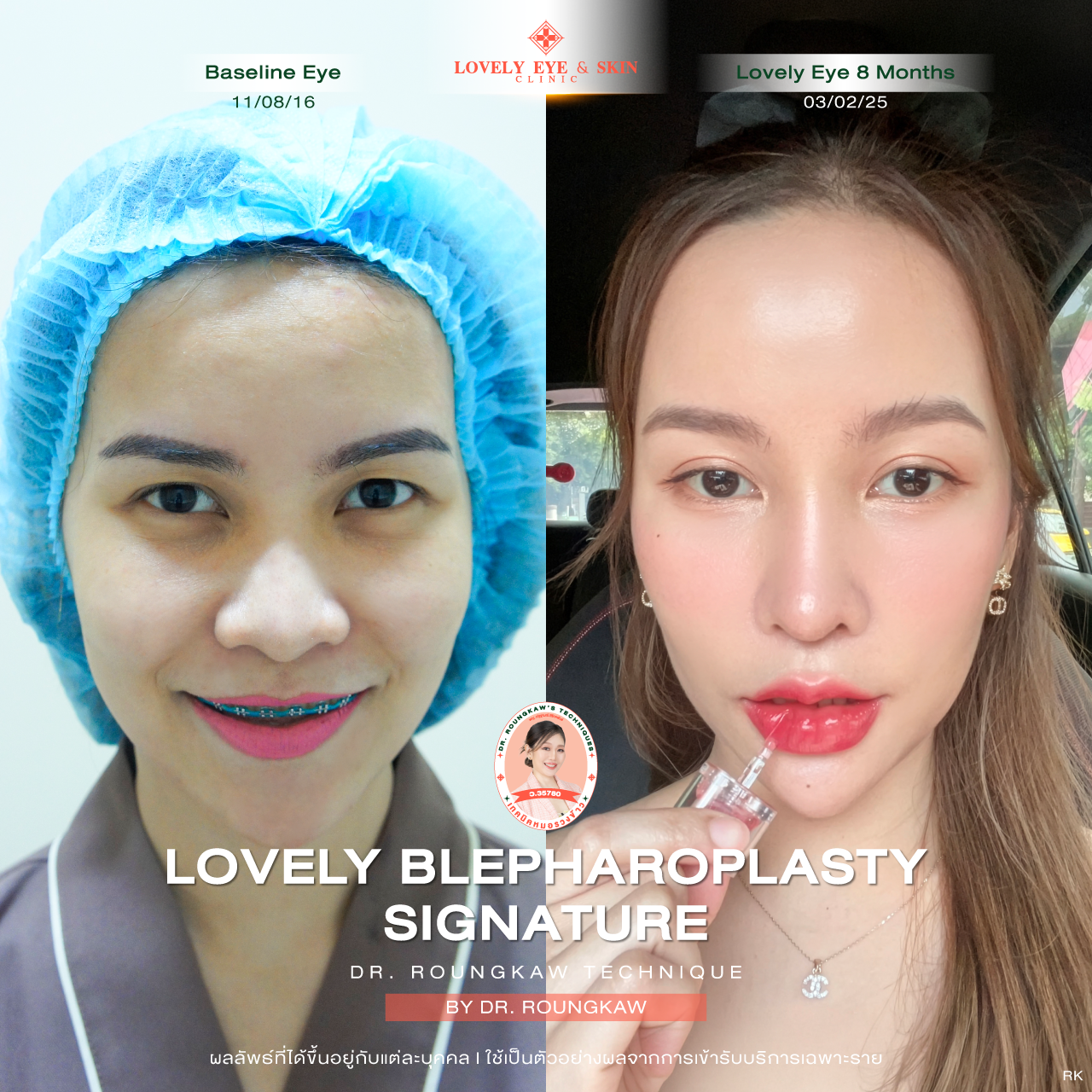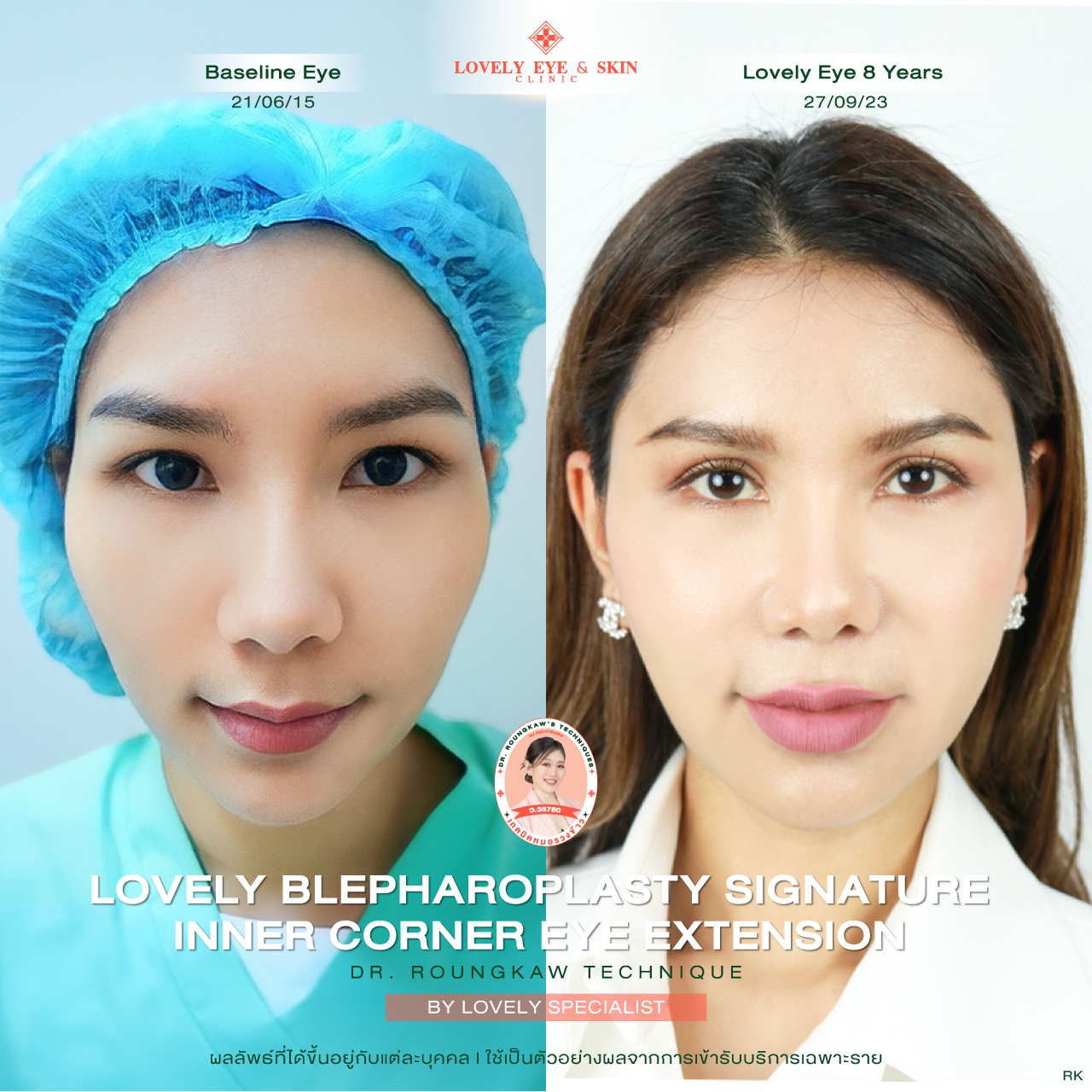


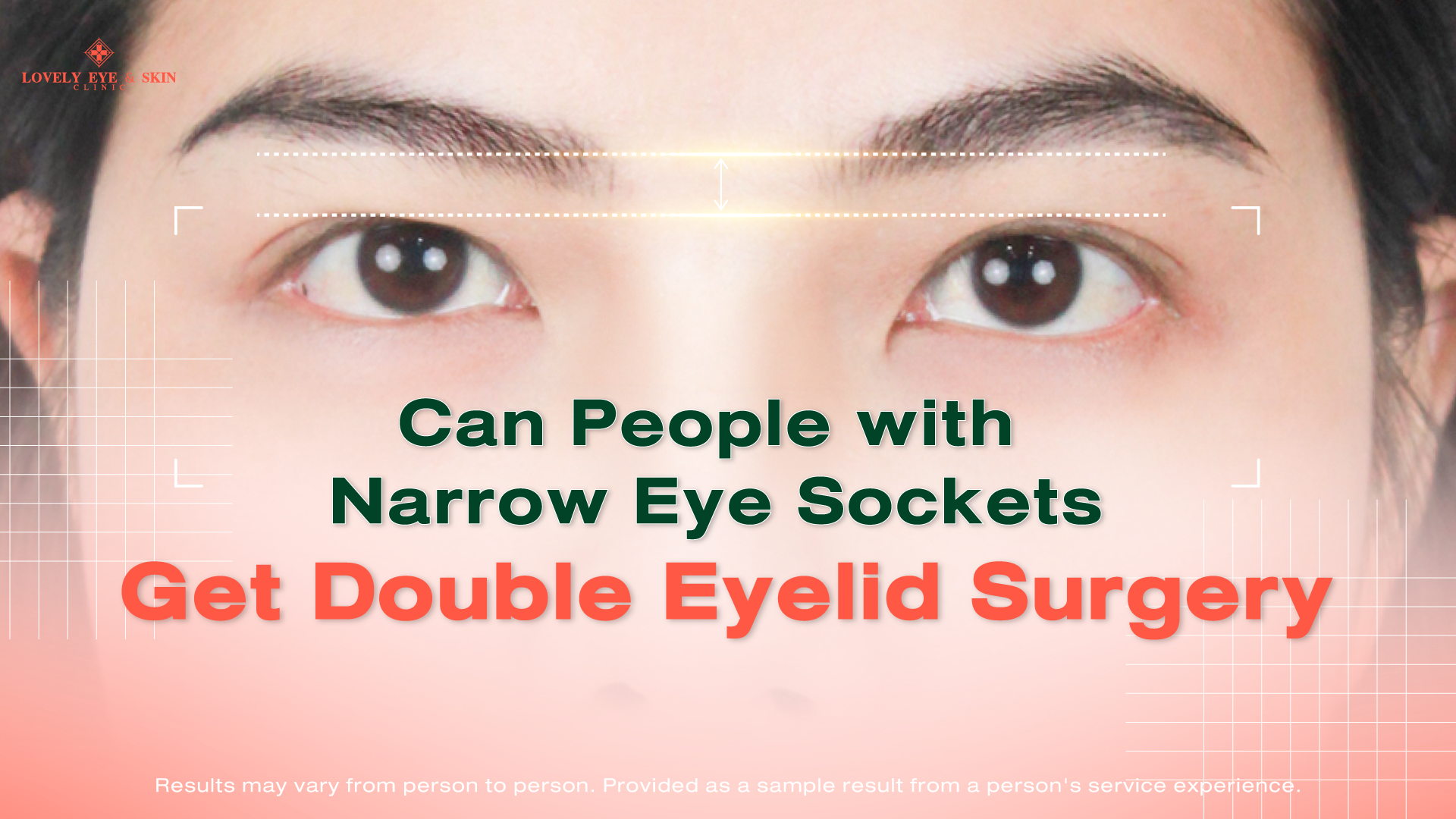
Have you ever noticed why some people always look tired, sleepy, or fatigued? These issues are often caused by “droopy eyebrows” or “narrow eye sockets,” which reduce the distance between the eyebrows and the eyes. As a result, excess eyelid skin can sag down and partially cover the eyes, making the face look older and less refreshed without realizing it.
Many people mistakenly believe that the best solution for droopy brows or narrow-looking eyes is a brow lift surgery to tighten and pull the skin upward. However, in reality, double eyelid surgery can sometimes be a more suitable option, providing beautiful and more natural-looking long-term results.
Today, we’ll take you to find the answers on if the eyebrows and eyes are very close together, is it still possible to have double eyelid surgery? And how do doctors evaluate this condition before surgery?
What causes droopy brows and narrow eye sockets?
Most eye-area concerns are not caused by aging alone. There are several other factors that can make the eye structure appear narrower, including:
Natural brow and eye structure (genetics): People who naturally have narrow eye sockets from birth tend to have less space between the eyebrows and the eyes, making the eyes appear droopy or sleepy more easily.
- Aging: As we age, the body produces less collagen, the skin loses elasticity, and the supporting structures become weaker. This causes the eyebrows to gradually descend from their original position, especially at the tail of the brows, which tends to droop more than the inner brow area.
- Thick eyelids or excess fat: People with thicker eyelid skin or excess fat around the eyelids may experience heaviness that presses downward toward the brow area, creating the appearance of droopy brows.
- Weak eye muscles (ptosis): This occurs when the muscles responsible for lifting the eyelids do not function fully, making it difficult to open the eyes completely. As a result, the eyes may constantly appear tired or sleepy.
Low brow position does not always mean you have droopy brows!
The “ideal” brow position varies from person to person and depends on factors such as gender, ethnicity, and individual facial structure.
-
Natural male brow structure: Men’s eyebrows are generally thicker, flatter, and positioned lower than women’s brows, usually sitting close to the orbital bone. Therefore, low brows in men may simply be a natural facial characteristic rather than an abnormal condition.
- Natural female brow structure: Women’s eyebrows are typically positioned about 1 centimeter above the orbital rim, with a more defined arch and a slightly elevated brow tail.
- Asian vs. Caucasian standards: Most Asians naturally have flatter, lower, and less arched eyebrows compared to Caucasians. For this reason, surgical planning and eyelid design must be customized according to each individual’s facial anatomy. A single beauty standard cannot be applied to everyone.
- The effects of droopy brows go beyond appearance: Besides making makeup more difficult due to hidden eyelid creases, severe brow drooping can cause excess eyelid skin to obstruct vision. Many people unconsciously raise their brows or tense their forehead muscles to help open their eyes, which may eventually lead to forehead fatigue and premature wrinkles.
Can you get double eyelid surgery if your eyebrows and eyes are close together?
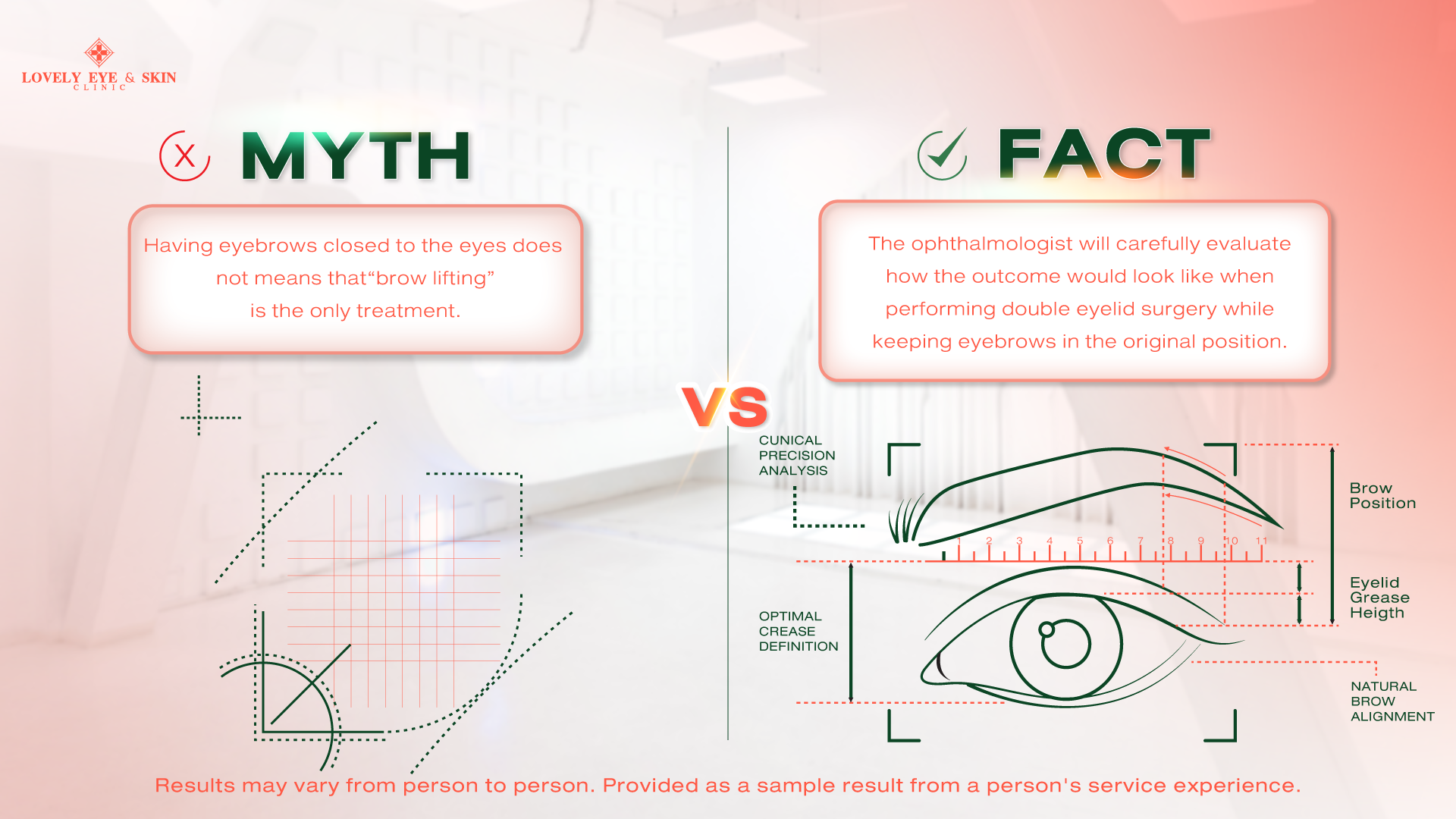
For patients whose eyebrows and eyes are positioned close together, or for those wondering whether the distance between their brows and eyes is “too narrow” and whether a brow lift is necessary, the truth is that doctors will first evaluate how the results would look if double eyelid surgery were performed without changing the original brow position.
The main factors doctors consider during the evaluation include:
- Amount of excess eyelid skin: The doctor will carefully assess how much excess eyelid skin is present and determine whether removing some of the skin is necessary.
- Choosing the most suitable technique: For patients with closely positioned brows and eyes, doctors generally consider two main treatment approaches depending on the condition:
- Non-incisional double eyelid technique (Lovely No Stitch Levator): If the doctor determines that excess eyelid skin removal is not necessary, this technique can help create a more defined eyelid crease while giving the eyes a softer and more youthful appearance.
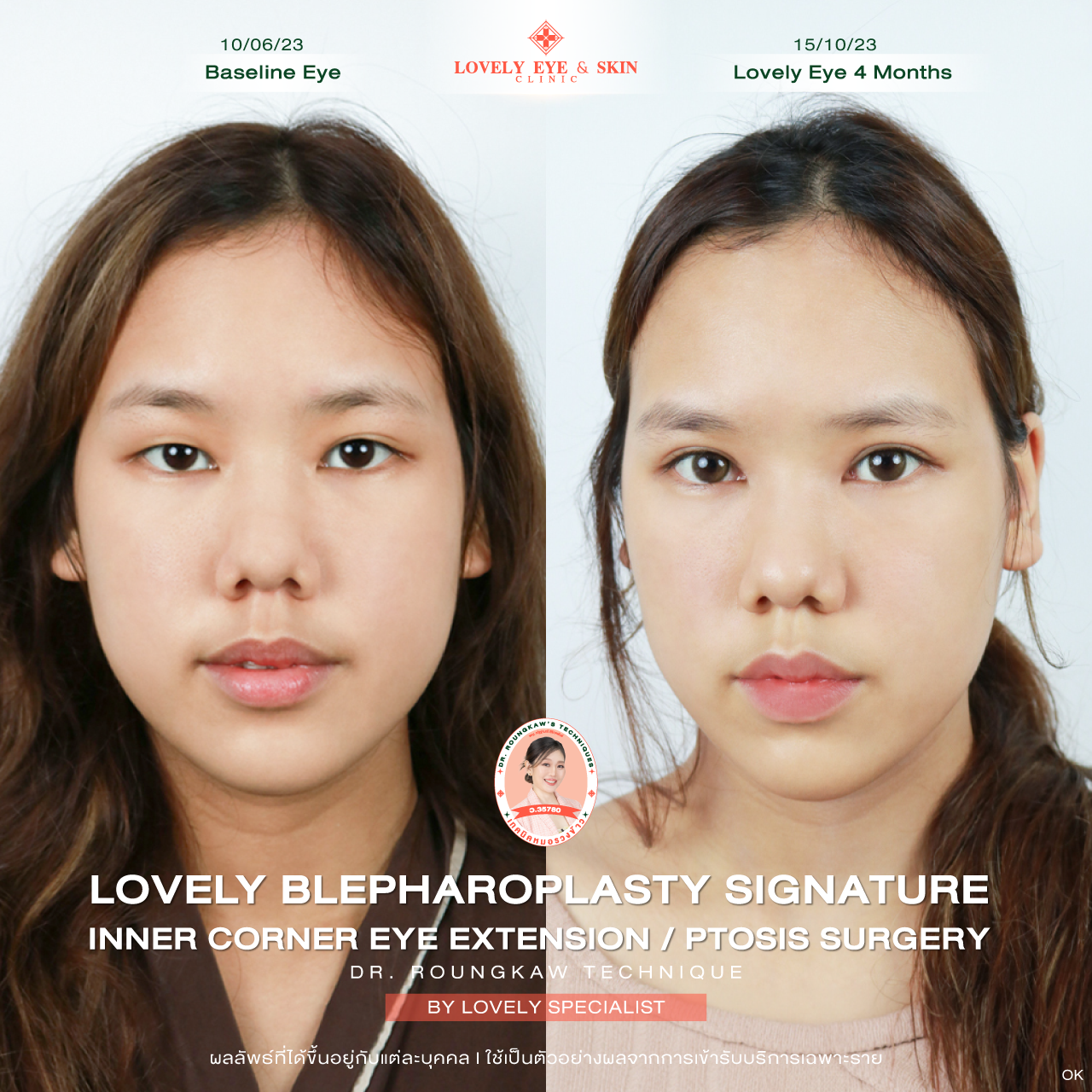
- Incisional double eyelid technique (Lovely Blepharoplasty Signature): If excess eyelid skin is drooping over the eyes, the doctor may recommend a full-incision technique to carefully remove and reshape a suitable amount of excess skin without making the eyelids appear too thick or disproportionate to the eye structure.
3. Eyelid crease suturing technique: In cases where the space between the eyebrows and eyes is limited, highly precise suturing techniques are required. The crease must be created at an appropriate depth to ensure natural-looking results and avoid making the eyes appear too deep-set.
Why Does Brow Lift Not Suitable for Treating Droopy Eyes in Some Cases?
Some people believe that the higher the brows are lifted, the better the result will be because it may help prevent droopy eyelids from recurring. However, in reality, lifting the brows too high comes with limitations and potential drawbacks, as noted in medical research and clinical experience.
- Risk of looking harsh or unnatural: Overly elevated brows are considered one of the most common aesthetic mistakes. Excessive brow lifting can make the eyes appear overly wide open, giving a constant “surprised” or “angry” expression. In male patients, it may also make the face appear overly soft or feminine, reducing overall facial balance.
- Deep-set eyes require extra caution: People with naturally deep-set eyes often have lower brow positioning as part of their facial structure. If the brows are lifted excessively, the eye sockets may appear even deeper and hollower, making the orbital bone more prominent and causing the face to look gaunt, tired, and unnatural.
- It may not address the root cause: In patients with a large amount of excess upper eyelid skin, simply lifting the brows does not remove the redundant tissue itself. Over time, the loose skin may droop again and cover the eyes just as before, making the results less effective in the long term and potentially requiring revision surgery later on.
- Risks and possible complications: Brow lift surgery — including endoscopic brow lift techniques — carries potential risks and trade-offs, such as scalp numbness or itching, temporary hair loss, asymmetry between the eyes or brows, and recurrent tissue sagging that may require corrective surgery in the future.
Additional Techniques Combined with Double Eyelid Surgery for Natural Outcome
To effectively address droopy eyes and drooping brows in the most suitable way, doctors often recommend combining double eyelid surgery with additional techniques based on each individual’s condition, such as:
- Subbrow Lift: This technique is recommended for people with sagging upper eyelid skin, especially when excess skin is concentrated around the outer corner of the eyes. The procedure helps lift and tighten the eyelid area while hiding the surgical incision discreetly along the lower edge of the eyebrow, making the scar much less noticeable.
- Ptosis Surgery: Some people assume their sleepy-looking eyes are simply caused by aging, when in fact the issue may come from weak eyelid muscles (ptosis), which prevent the eyes from opening fully. Combining double eyelid surgery with levator muscle correction helps remove excess eyelid skin while adjusting the eyelid-opening muscles, resulting in brighter, more open-looking eyes and a more refreshed, lively appearance.
Summary
Droopy brows, narrow eye sockets, or closely positioned brows and eyes are common concerns that can affect self-confidence more than many people realize. Brow lift surgery should not be chosen simply because the eyebrows appear low, and we should not assume that droopy eyelids always require a brow lift. Upper eyelid surgery (to remove excess eyelid skin) and brow lift surgery (to correct brow ptosis) are procedures that complement each other — but they cannot replace one another.
Lastly, if you are concerned about deep-set eyes or are unsure which technique best suits your eye structure, you can consult with a specialist at Lovely Eye and Skin Clinic for a detailed eye structure evaluation. Proper assessment and treatment planning can help ensure safe, natural-looking results while restoring a brighter and more refreshed appearance to your face.
Q&A: Frequently Asked Questions About Droopy Brows and Narrow Eye Sockets
Q: Can double eyelid surgery make the outer corners of the eyes look more lifted?
A: Yes, it can help the outer corners of the eyes appear more lifted. However, in cases where there is a significant amount of excess tissue around the outer eye area and the orbital bone slopes downward, the doctor may recommend combining the procedure with a subbrow lift to create a firmer and more lifted outer eye appearance.
Q: Can people with narrow eye sockets get double eyelid surgery?
A: Yes, they can. The Lovely Specialist medical team will carefully evaluate the appropriate eyelid crease position and size to ensure it suits the patient’s natural eye structure without making the crease excessively high.
Q: If I have narrow eye sockets, can I still get very high and dramatic double eyelids?
A: In general, doctors recommend creating a crease size that matches the individual’s eye structure for the most natural and balanced result. Creating an overly large crease in a limited eyelid space may cause the face to appear harsh or unnatural.
Q: Why are people with deep-set eyes usually not ideal candidates for aggressive brow lifting or outer brow lifting?
A: People with deep-set eyes naturally tend to have lower brow positioning. Excessive brow lifting may deepen the hollow area beneath the brows and make the orbital bone appear more prominent, which can cause the face to look tired, aged than it should be.
Line OA: @lovelyeye
Visit our page: Lovely Eye & Skin Clinic