



|
Key Takeaway
|
|
Want your eyes to look brighter, more youthful, or find that drooping eyelids are interfering with your vision? Eyelid surgery, also known as blepharoplasty, could be the solution you’re looking for. This procedure can improve both the appearance and function of your eyelids, enhance your field of vision, and give you a refreshed, confident look.

What Is Eyelid Surgery?
Eyelid surgery, also called blepharoplasty or an eye lift, is a procedure aimed at correcting various eyelid concerns. It usually involves removing excess skin from the upper eyelids and reducing puffiness or bags under the lower eyelids.
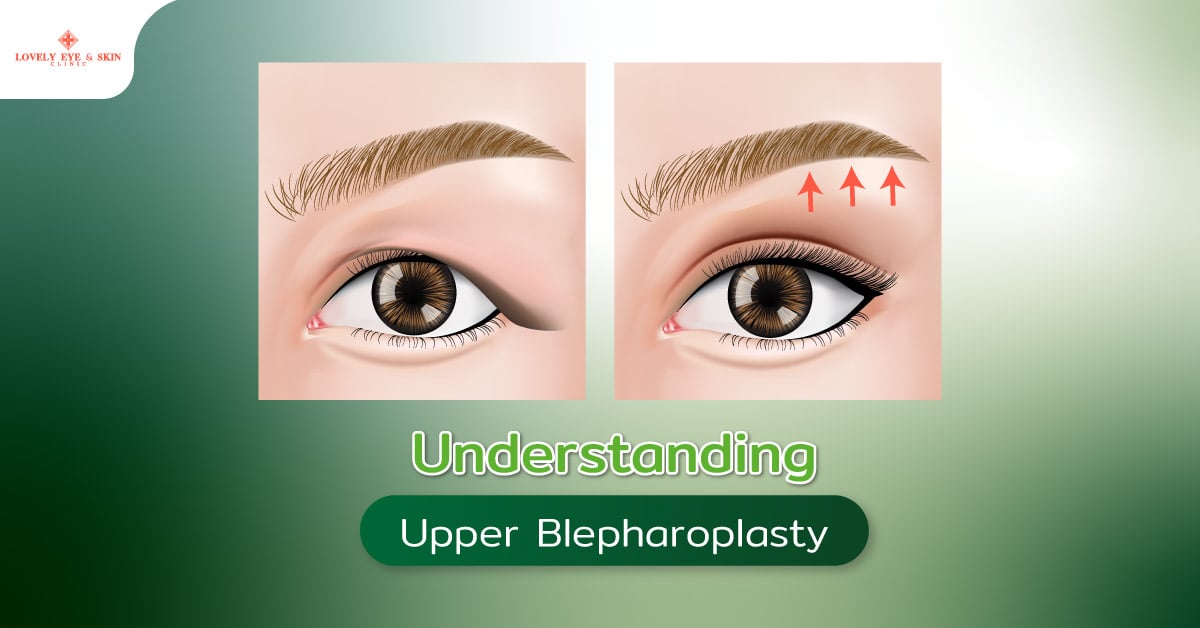
Understanding Upper Blepharoplasty
Upper eyelid surgery, or upper blepharoplasty, involves removing loose, sagging skin and excess fat from the upper eyelids. The main goal of this procedure is to create a more refreshed, alert appearance and brighter-looking eyes. It can also help correct visual obstruction caused by eyelids partially covering the lashes.
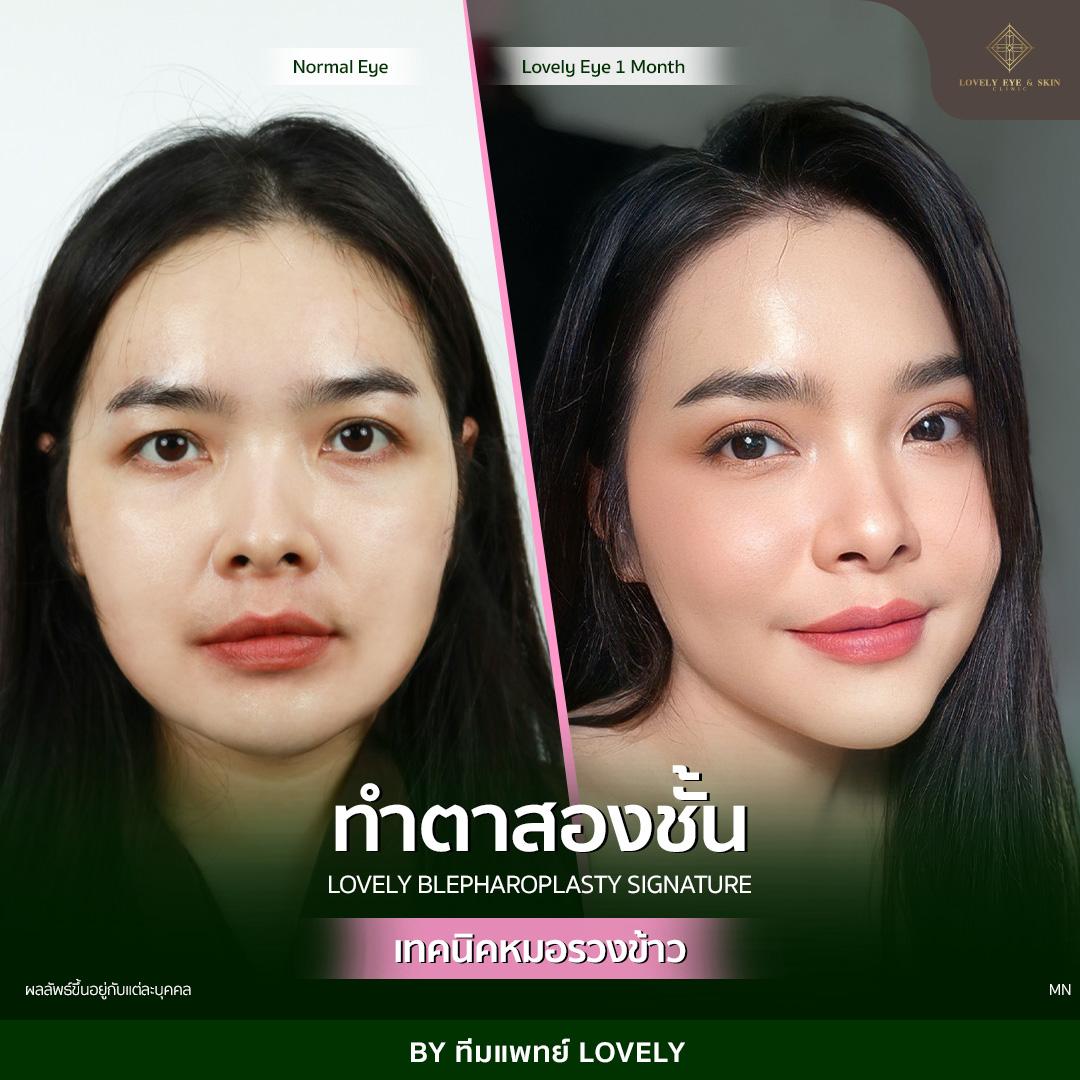
Additionally, some patients choose double eyelid surgery, a type of upper blepharoplasty that creates a defined upper eyelid crease. This procedure is especially popular among individuals who want to achieve a natural-looking crease and enhance the overall shape of their eyes.
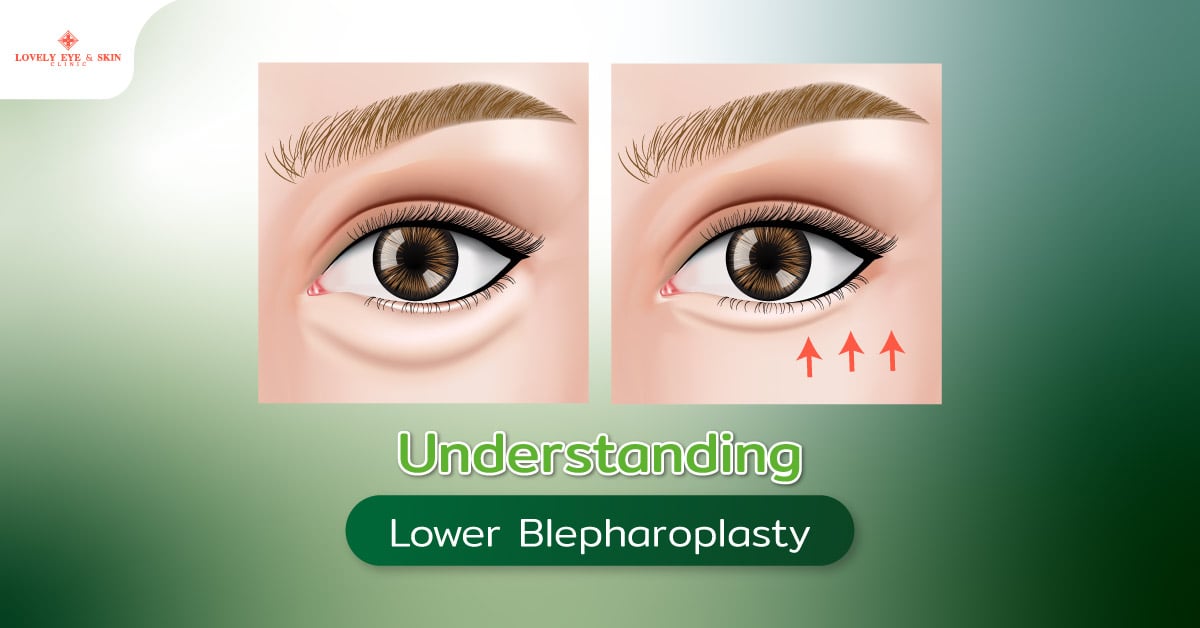
Understanding Lower Blepharoplasty
Lower blepharoplasty focuses on the area under the eyes and is designed to reduce or eliminate eye bags. The procedure removes or repositions excess fat and tightens sagging skin, helping to smooth wrinkles and restore a firmer, more youthful appearance. It can also improve the overall harmony of the eyes and face, giving a refreshed and well-rested look.
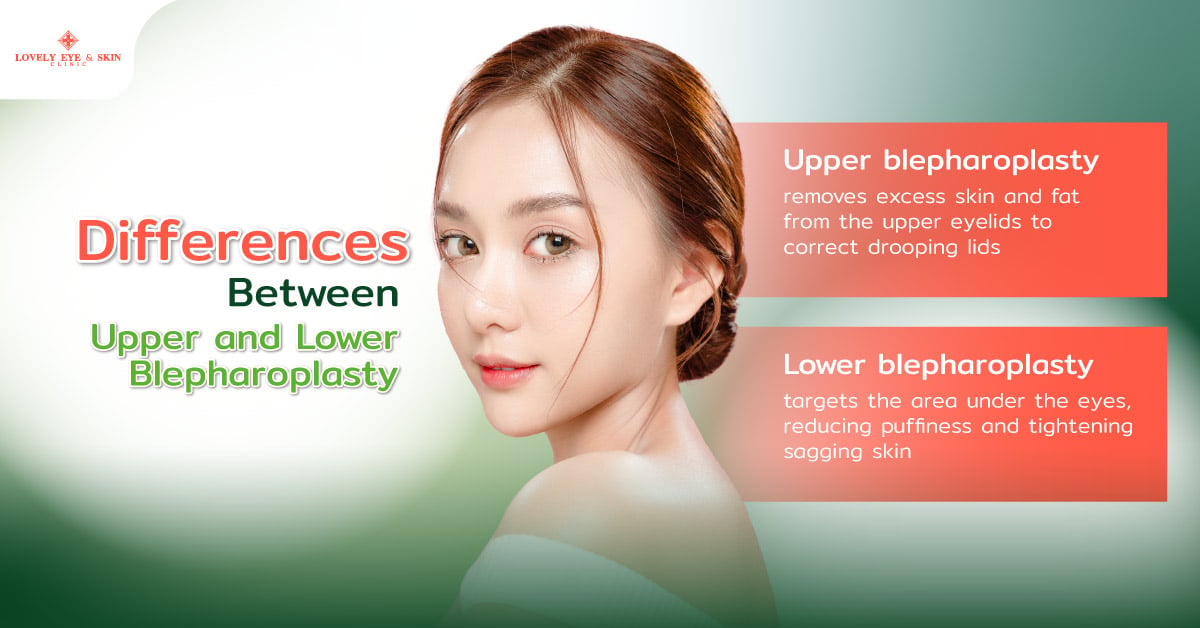
Differences Between Upper and Lower Blepharoplasty
Upper blepharoplasty removes excess skin and fat from the upper eyelids to correct drooping lids, making the eyes look more alert and youthful. Lower blepharoplasty targets the area under the eyes, reducing puffiness and tightening sagging skin to eliminate bags and smooth wrinkles. Together, these procedures create a brighter, refreshed, and well-rested appearance..

Common Reasons for Eyelid Surgery
People choose eyelid surgery to improve appearance, correct drooping lids that affect vision, reduce under-eye bags, and achieve a more youthful, refreshed look.
- Baggy or drooping upper eyelids.
- Excess upper eyelid skin that partially obstructs peripheral vision.
- Sagging lower eyelid skin.
- Under-eye bags.
Who Are the Ideal Candidates for Eyelid Surgery?
The ideal candidates for eyelid surgery include individuals who are considering improvements to the appearance or function of their eyelids.
- Individuals with drooping or baggy upper eyelids that affect vision.
- Those with excess skin or fat around the eyes.
- People showing signs of aging, such as wrinkles or sagging eyelids.
- Anyone looking to achieve a more youthful, alert, and refreshed appearance.

Preoperative Planning for Eyelid Surgery
Before undergoing eyelid surgery, it is important to prepare properly to ensure a smooth procedure and successful outcome. Key steps include.
- Consult with a qualified eye surgeon to discuss your goals and review your medical history.
- Undergo a physical examination, vision test, and have photographs taken of your eyelids.
- Stop smoking at least two weeks before surgery to promote proper healing.
- Adjust certain medications, especially those that affect blood clotting, as advised by your surgeon.
- Arrange transportation home after the procedure, since eyelid surgery is usually performed on an outpatient basis.
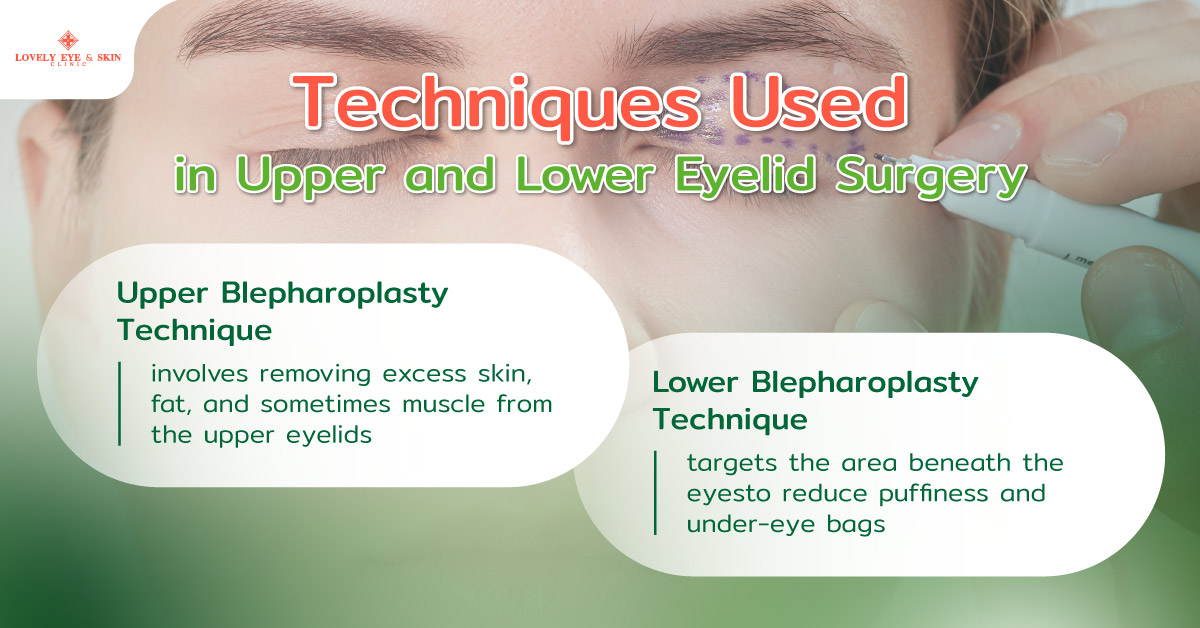
Techniques Used in Upper and Lower Eyelid Surgery
There are several techniques and steps commonly used in both upper and lower eyelid surgery, including.
Upper Blepharoplasty Technique
Upper blepharoplasty involves removing excess skin, fat, and sometimes muscle from the upper eyelids. The surgeon first marks the areas to be treated and administers local or general anesthesia.
An incision is made along the natural crease of the upper eyelid to minimize visible scarring. Excess tissue is carefully removed or repositioned, and the incision is then closed with fine sutures. The goal is to create a smoother, more lifted eyelid contour while preserving natural eyelid function and appearance.
Lower Blepharoplasty Technique
Lower blepharoplasty targets the area beneath the eyes to reduce puffiness and under-eye bags. The surgeon makes an incision either just below the lower lash line or inside the lower eyelid (transconjunctival approach) to minimize visible scarring.
Excess fat is removed or repositioned, and loose skin may be trimmed or tightened. The incision is then carefully closed with fine sutures. This procedure aims to smooth the lower eyelids, reduce sagging, and create a refreshed, youthful appearance while maintaining natural eye function.
Recovery Process and Aftercare for Eyelid Surgery
Proper care and adherence to post-operative instructions are crucial for a safe and successful recovery after eyelid surgery. Important steps include.
- Apply cold compresses during the first 3 days to reduce swelling and bruising.
- Switch to warm compresses from day 6, 10 minutes twice daily for about a week, to promote healing.
- Sleep with your head elevated and avoid lying on your side for the first 2 nights to minimize swelling.
- Avoid bending over, straining, or vigorous sneezing or coughing.
- Follow dietary restrictions recommended by your surgeon, such as avoiding seafood, chicken, eggs, and certain fermented foods for 3 weeks.
- Limit screen time and reduce eye strain.
- Use protective eye coverings if necessary to prevent accidental trauma to the surgical area.
- Keep the incision area dry from water, sweat, and oil until stitches are removed.
- Apply a thin layer of ointment as directed to maintain moisture after suture removal.
- Take all prescribed medications as instructed by your doctor.
Potential Risks and Complications of Eyelid Surgery
Eyelid surgery is generally safe, but like any surgical procedure, it carries potential risks and complications, such as.
- Temporary blurred vision caused by eye ointment
- Excess tearing or watery eyes
- Sensitivity to light
- Double or blurred vision
- Puffy or numb eyelids
- Swelling and bruising similar to black eyes
- Mild pain or discomfort

Consideration for Eye Surgery
The cost of eyelid surgery depends on several factors, including.
- The type of procedure (upper blepharoplasty, lower blepharoplasty, or both)
- The surgeon’s experience and qualifications
- The complexity of the surgery and any additional procedures required
- Anesthesia and facility fees
- Geographic location of the clinic or hospital
- Pre- and post-operative care, including medications and follow-up visits

How to Choose the Right Surgeon for Eyelid Surgery
Selecting a qualified and experienced surgeon is crucial for safety and optimal results. You can do this by
- Verify the surgeon’s credentials and board certification in ophthalmology or plastic surgery.
- Review the surgeon’s experience specifically with eyelid surgery procedures.
- Look at before-and-after photos of previous patients.
- Read patient reviews and testimonials to assess satisfaction and results.
- Schedule a consultation to discuss your goals, expectations, and any concerns.
- Ensure the clinic or facility meets safety and hygiene standards.
Non-Surgical Options for Droopy Eyelids
For individuals who are not suitable candidates for surgery or prefer non-surgical options, there are several alternative treatments available, including.
- Botox These injectables can enhance the appearance of your upper eyelids by lifting the eyebrows and relaxing the muscles that pull the upper face downward.
- Filler Fillers can be used to simulate an eyelid lift by adding volume in key areas around the eyes. They can target the fat pads beneath the brows, the temples, or even the lower eyelids to create a lifted, more youthful appearance.
- Ulthera / HIFU Ulthera and HIFU use ultrasound to boost collagen and tighten skin. Both lift the skin without surgery and can help open the eyelids, making the crease more defined.
- Thermage/RF Radiofrequency (RF) treatments like Thermage and Lutronic Genius™ heat the skin to boost collagen and tighten tissue, with Lutronic Genius™ combining RF and microneedling for better results.

Why is Eye Surgery at Lovely Eye & Skin Clinic better?
- Dr.Roungkaw pioneered the trend of double eyelid surgery performed by ophthalmologists in Thailand, including inner and outer corner eyelid opening techniques.
- The Lovely Specialist medical team designs personalized eyelid creases tailored to each individual.
- Dr.Roungkaw’s technique, established in 2010, uses the New Lovely Microlaser for precise and accurate eyelid surgery, delivering results that meet patients’ expectations.
- The procedures are safe and highly trusted by patients.
- Customer satisfaction surveys are conducted regularly, and the feedback is used to continuously improve services.
- The clinic features a sterile surgical environment, “Lovely Surgical Instrument Sterile Unit,” meeting hospital standards and equipped with ISO 13485:2016-certified autoclave sterilization.
- All eye-related cases are carefully managed, with Private VIP Service provided to ensure every patient receives a premium and satisfying experience.
Eye Surgery Case Reviews

Conclusion
Eyelid surgery, or blepharoplasty, addresses concerns like droopy upper eyelids, excess skin, and under-eye bags to improve both appearance and vision. Procedures include upper and lower blepharoplasty, double eyelid creation, and corner eyelid adjustments, using precise techniques such as New Lovely Microlaser. Recovery requires proper post-operative care, and risks, though minimal, should be considered. Non-surgical alternatives like Ulthera, HIFU, and RF treatments offer lifting and tightening effects without surgery. At Lovely Eye & Skin Clinic, Dr.Roungkaw and the Lovely Specialist team provide personalized eyelid surgery with advanced technology in a safe, sterile environment, ensuring optimal results and patient satisfaction.
Frequently Asked Questions About Eyelid Surgery (FAQ)
Many people have questions about eyelid surgery. Here, we’ve compiled common questions with answers to help you better understand the procedure and prepare effectively.
How painful is eyelid surgery?
Eyelid surgery is generally well-tolerated. Most patients experience minimal pain during the procedure because it is performed under local or general anesthesia. After surgery, mild discomfort, swelling, or a pulling sensation around the eyes is normal, but it can usually be managed effectively with prescribed pain medication.
How long does eyelid surgery last?
The results of eyelid surgery are typically long-lasting. Upper eyelid procedures can last 5–10 years or more, while lower eyelid surgery often provides permanent improvement. However, natural aging and changes in skin elasticity over time may gradually affect the appearance, so occasional touch-ups or additional treatments might be desired.
How many days does it take to recover from eyelid surgery?
Recovery from eyelid surgery usually takes about 7-10 days for the initial healing, during which swelling and bruising gradually subside. Most patients can return to normal daily activities within 1-2 weeks, though complete recovery, including final results and full resolution of swelling, may take several weeks.

ข้อมูลโดย หมอมินา Lovely Eye พญ.มินา นราธิปกร ว. 43109
หนึ่งในทีมแพทย์ Lovely Specialist ศัลยกรรมตา เทคนิคหมอรวงข้าว เลิฟลี่อายแอนด์สกิน คลินิก (2563 - ปัจจุบัน)