

Key Takeaway
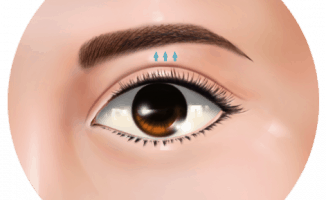
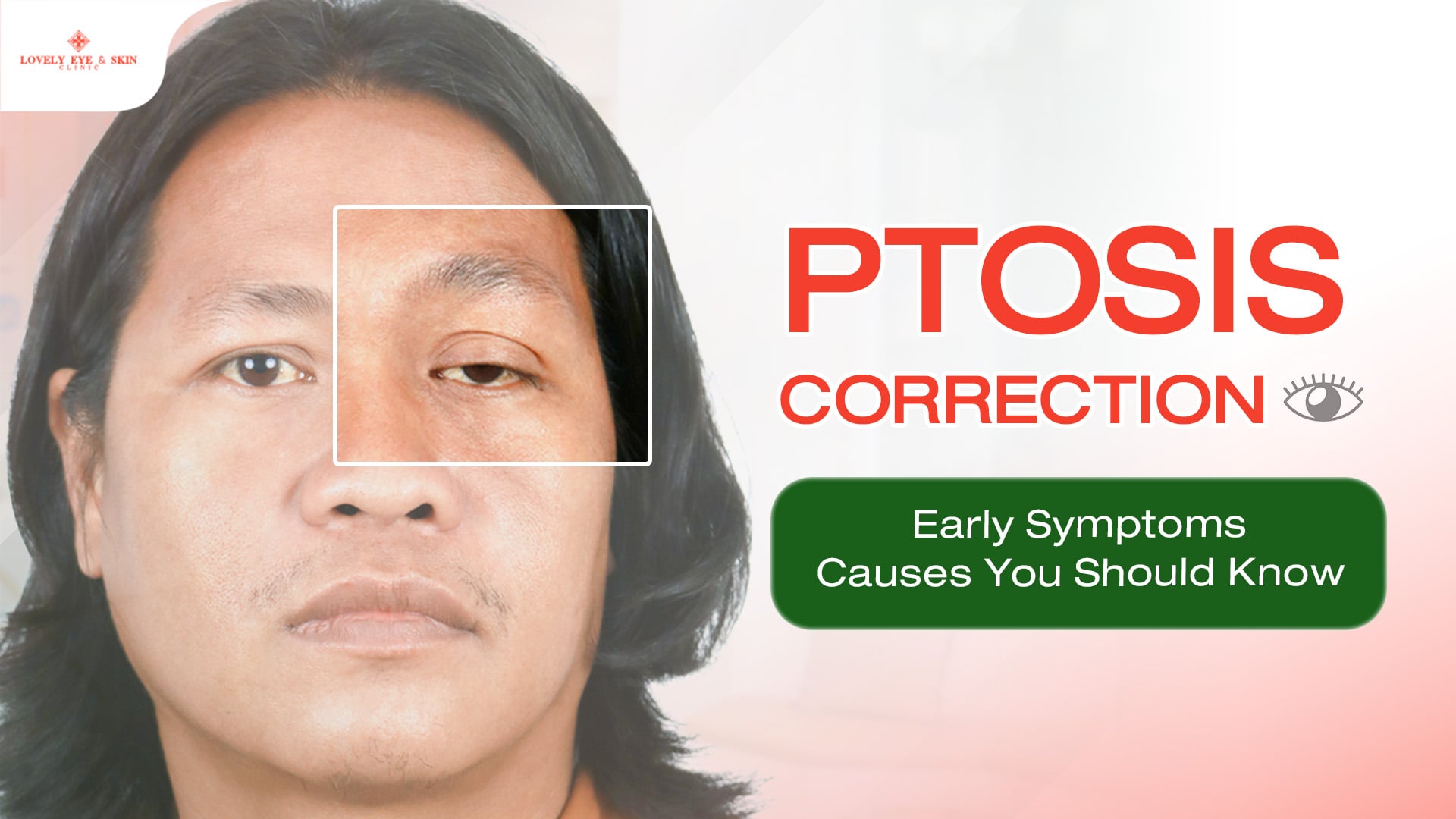
- Ptosis is a condition in which the muscle responsible for lifting the upper eyelid functions improperly, causing the upper eyelid to droop and cover part of the iris more than normal. This gives the eyes a sleepy or drowsy appearance and may affect personality. In severe cases, the drooping eyelid can obstruct vision and interfere with daily activities.
- The causes of ptosis include congenital ptosis, aging, prolonged screen time without adequate breaks, long-term contact lens wear, and unsuccessful double eyelid surgery.
- The early symptoms of ptosis include droopy eyes, uneven eyes, inability to fully open the eyes, frequent eyebrow raising and eye rubbing.
- Ptosis can be treated by surgery and medication. In case of minor ptosis, eye muscle exercise is highly recommended.
Today, ptosis is a condition that many people who spend long hours in front of digital screens may experience without realizing it. Ptosis can result from various factors, including aging, lifestyle habits, and certain autoimmune disorders. If left untreated, it may gradually impair vision and affect daily activities. Fortunately, several treatment options are available. In this article, you will learn how to recognize the early signs of ptosis, perform a basic self-check, and explore the available treatment options.
Signs and Symptoms of Ptosis
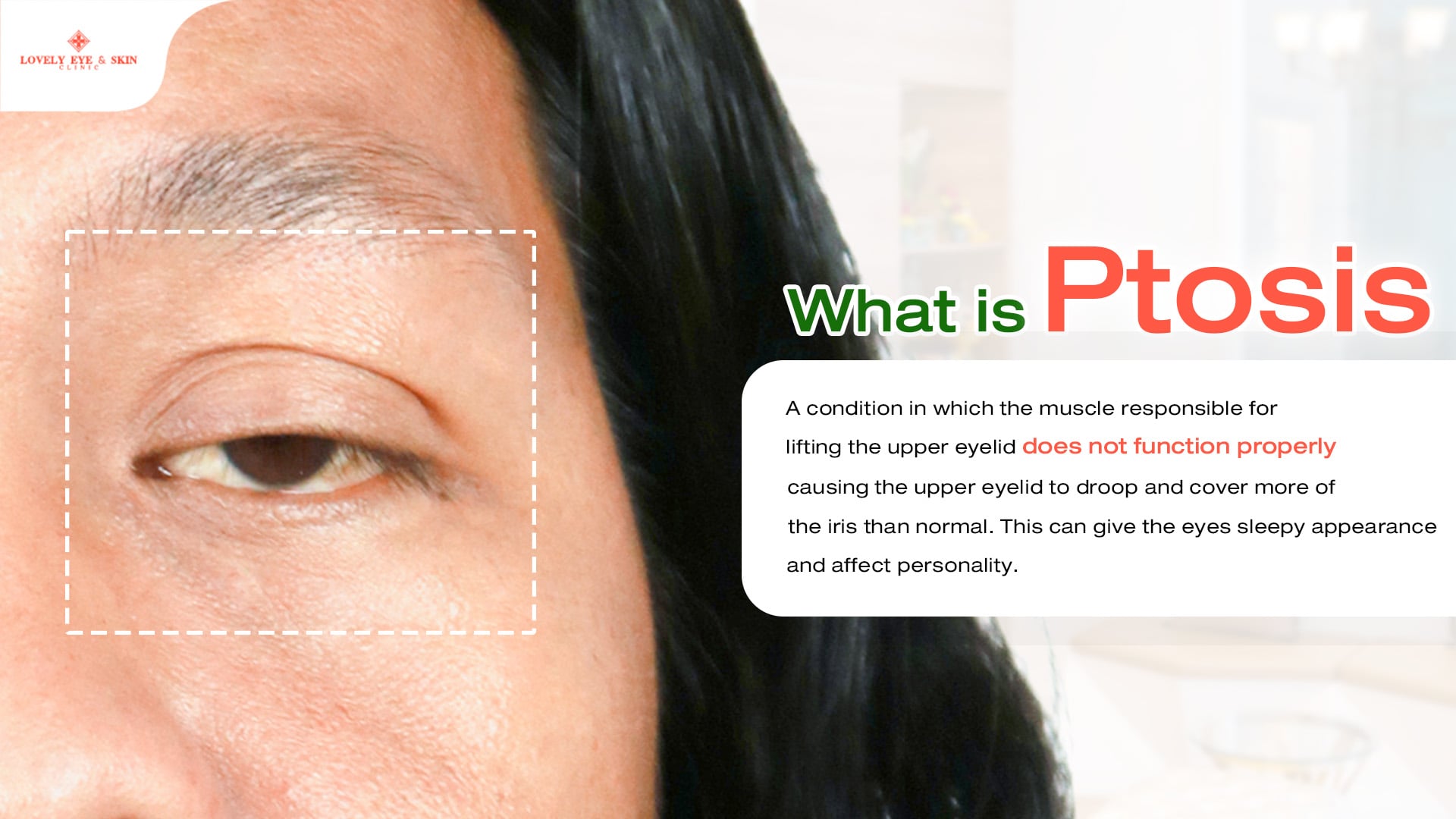
Ptosis is a condition in which the muscle responsible for lifting the upper eyelid does not function properly, causing the upper eyelid to droop and cover more of the iris than normal. This can give the eyes a persistently sleepy or tired appearance and may affect facial aesthetics. In more severe cases, the drooping eyelid can obstruct vision and interfere with daily activities. Ptosis may be congenital or develop later in life due to prolonged eye strain associated with today's digital lifestyle or age-related weakening and stretching of the eyelid muscles and tissues. Depending on the underlying cause and severity, it can be corrected through ptosis repair surgery, which tightens or advances the eyelid-lifting muscle to restore normal eyelid position.
At first glance, ptosis may be mistaken for myasthenia gravis (MG), an autoimmune disorder that causes muscle weakness. In people with MG, the immune system produces antibodies that disrupt communication between nerves and muscles at the neuromuscular junction. As a result, the muscles cannot receive signals properly, leading to muscle weakness and fatigue. MG is most commonly diagnosed in women between the ages of 20 and 40 and in men aged 50 and older. Unlike ptosis, myasthenia gravis cannot be treated with eyelid surgery. Instead, it requires ongoing medical care and treatment under the supervision of a physician.
Severity Levels of Ptosis
In general, the upper eyelid normally covers no more than 1–2 mm of the iris. In patients with ptosis, however, the upper eyelid droops further over the iris. Ptosis can be classified into the following severity levels:
- Minor: covers more than 2 mm
- Moderate: covers more than 3 mm
- Major: covers more than 4 mm
What Are the Causes of Ptosis
- Congenital ptosis: It usually occur when the eyelid-lifting muscle does not develop properly or is affected by a genetic condition. It can cause droopy eyelids and difficulty opening the eyes. If left untreated, it may lead may lead to amblyopia (lazy eye) or strabismus (misaligned eyes).
- Skin laxity: As we age, the eyelid skin and supporting structures gradually lose elasticity. The eyelid-lifting muscle and its tendon may also weaken or stretch over time, causing the upper eyelid to droop. Many people unconsciously raise their eyebrows to compensate and improve their field of vision.
- Lifestyle habits: Prolonged use of computers or smartphones without adequate breaks, as well as long-term contact lens wear, may contribute to eyelid muscle fatigue and stretching. These conditions potentially increase the risk of ptosis.
- Unsuccessful double eyelid surgery: When double-eyelid surgery is performed by an inexperienced surgeon, the eyelid-lifting mechanism may be affected. Scar tissue, suture placement, or inadvertent injury to the levator muscle can result in droopy or asymmetrical eyelids.
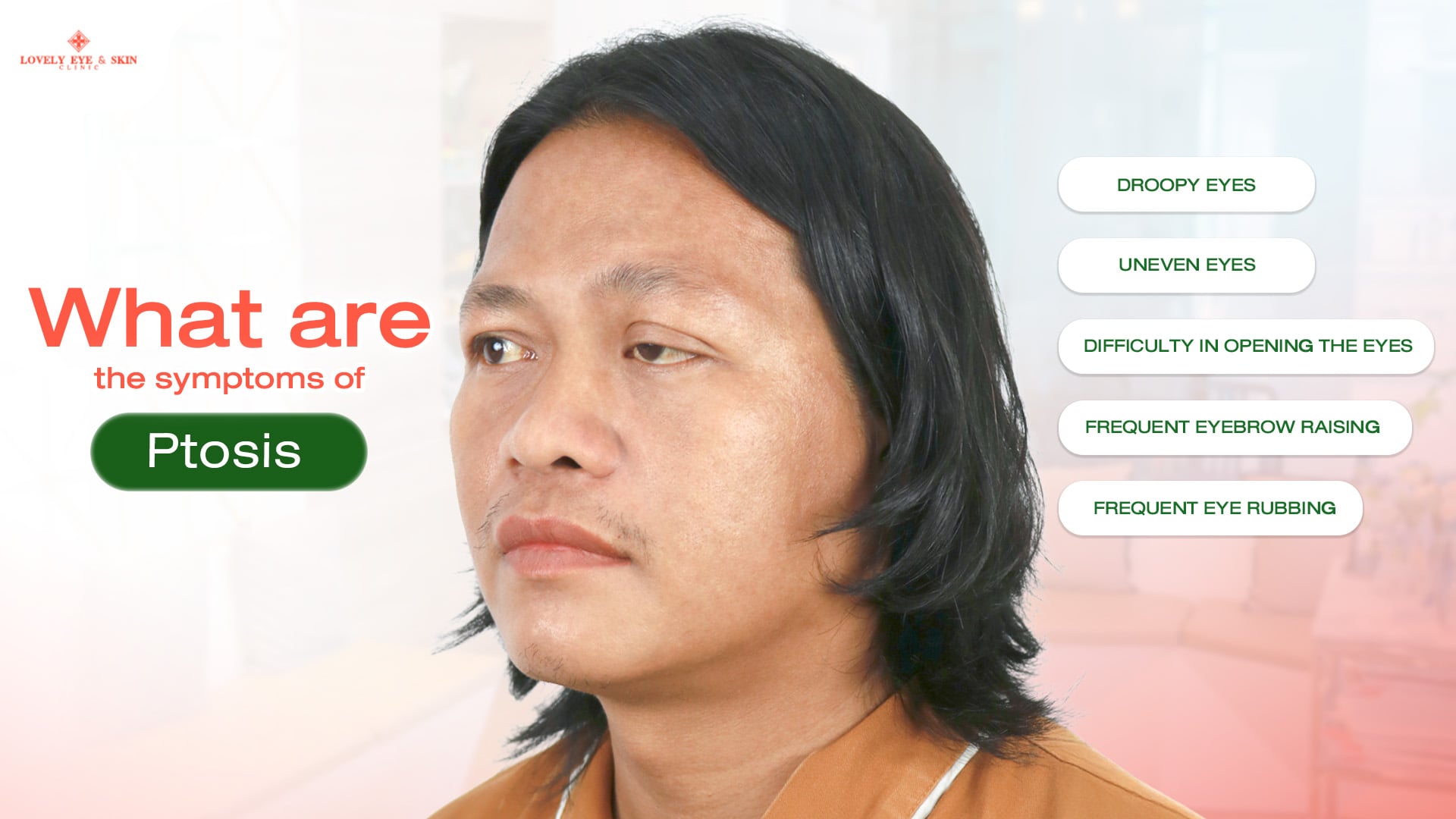
What Are the Symptoms of Ptosis
- Droopy eyes: The upper eyelid droops and covers more of the iris than normal, giving the eyes a sleepy, tired, or less alert appearance. This condition may be present from birth (congenital ptosis) or develop later in life due to aging, prolonged eye strain, or stretching of the eyelid-lifting muscle and its supporting tendon.
- Uneven eyes: In some cases, ptosis affects only one eye, causing one eyelid to open less than the other. This creates noticeable asymmetry, which can affect both facial appearance and self-confidence.
- Difficulty in opening the eyes: Weakness of the levator muscle, which is responsible for lifting the upper eyelid, can make it difficult to fully open the eyes. As a result, the eyes may appear persistently sleepy or tired, as if the person is sleep-deprived or has just woken up.
- Frequent eyebrow raising: To compensate for drooping eyelids, many people unconsciously raise their eyebrows using the forehead muscle. Over time, this habit can lead to the early development of deep forehead lines and wrinkles.
- Frequent eye rubbing: It can cause by allergies or excessive pulling on the eyelids during makeup removal may stretch the tissues that support the upper eyelid over time. This can contribute to multiple eyelid creases and make the eyes appear more droopy or tired.
How to Check for Early Signs of Ptosis
- Frequent forehead wrinkling: Inability to fully open the eyes with reduced visible iris despite the maximum effort to open the eyes.
- Eyes appear sleepy and fatigue all the time.
- Eyebrow raising with forehead wrinkle: When the eye muscle does not work properly to raise the upper eyelid, the frontalis (forehead) muscle compensates by raising the eyebrows to help elevate the eyelids.
- Multiple eyelid creases: It occurs when the muscle responsible for lifting eyelids does not function properly. As a result, the upper eyelid skin folds over itself, creating multiple creases, rather than well-defined eyelids.
- Deep eye socket: When the eyelid muscle cannot contract properly, together with loss volume of fat around the eyes, can cause the area between upper eyelid and eyebrow appear hollow. This factor contributes to aging facial appearance.
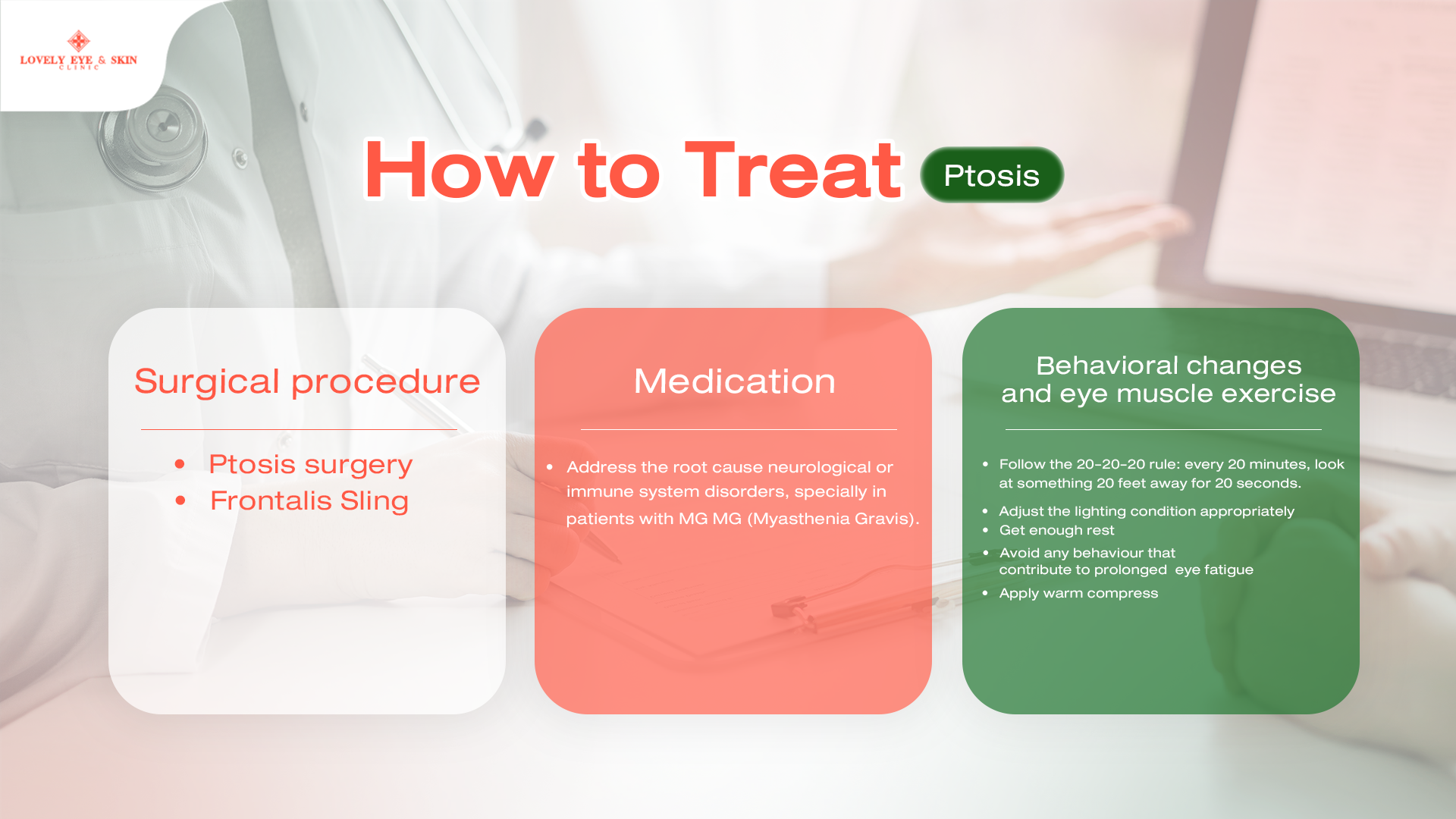
How to Treat Ptosis
Surgery
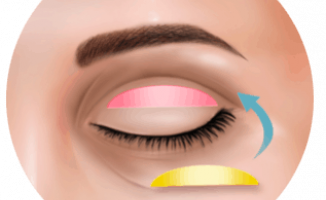
Ptosis surgery is the most effective long-term treatment for ptosis. It restores the position of the upper eyelid, improves the visual field, and enhances both eye function and appearance. Depending on the underlying cause and the severity of the condition, the surgeon will recommend one of the following two surgical techniques:
- Ptosis Surgery: This procedure corrects the position of the eyelid-lifting muscle, allowing the upper eyelid to sit higher and cover less of the iris. It is often performed together with double eyelid surgery to remove excess eyelid skin. This creates balanced, natural-looking on both eyelid creases.
- Frontalis Sling: This technique is designed for patients with little or no levator muscle function. A sling is used to connect the upper eyelid to the frontalis (forehead) muscle, allowing the forehead muscle to help lift the eyelid when opening the eyes.
To achieve the best possible outcome, it is important to undergo a comprehensive evaluation by a surgeon experienced in the diagnosis and treatment of ptosis before deciding on the most appropriate surgical technique. Many patients seeking treatment are revision cases who previously underwent double-eyelid surgery elsewhere without correction of the underlying ptosis, resulting in persistent drooping eyelids that require additional surgery.
At Lovely Eye & Skin Clinic, we use the New Lovely Microlaser, a technology specifically designed for delicate eyelid surgery. It enables precise surgical planning, smaller incisions, and a shorter recovery period, while helping restore a brighter, more refreshed appearance to the eyes.
Medication
Medication is used to treat ptosis only when the underlying cause is a neurological or autoimmune condition, particularly myasthenia gravis (MG). Rather than correcting the drooping eyelid itself, these medications target the underlying disease.
The most commonly prescribed medications are cholinesterase inhibitors, such as pyridostigmine (brand name Mestinon®), which help improve communication between nerves and muscles by increasing the availability of the neurotransmitter acetylcholine. This allows the muscles to respond more effectively to nerve signals. In some cases, immunosuppressive medications may also be prescribed to help control the abnormal immune response and manage the condition.
ฺBehavioral Changes and Eye Muscle Exercise
Self-care and eyelid exercises may help relieve eye fatigue, reduce the sensation of heavy or droopy eyelids, and provide temporary support for people with mild to moderate symptoms. However, they cannot replace medical treatment for conditions such as myasthenia gravis (MG) or severe ptosis. Here are some practical tips that may help support eyelid health:
-
Follow the 20-20-20 rule: Every 20 minutes of screen time, look at something about 20 feet (6 meters) away for at least 20 seconds. This helps reduce eye strain and allows the eye muscles to relax.
-
Optimize your lighting: Avoid reading or using digital devices in very dim or overly bright environments. Excessive visual strain can make tired or droopy eyelids appear more noticeable.
-
Get enough sleep: Sleep at least 7–8 hours each night. Sleep deprivation can worsen eyelid fatigue and make drooping eyelids appear more pronounced, especially in people with underlying ptosis.
-
Avoid factors that increase eye fatigue: Chronic stress, prolonged exposure to high temperatures, and smoking may contribute to muscle fatigue and can aggravate symptoms in some people.
-
Apply a warm compress: Place a warm, damp cloth gently over your closed eyelids for 5–10 minutes. This may improve blood circulation, relax the muscles around the eyes, and help relieve eye fatigue. Be sure the compress is not too hot to avoid skin irritation or burns.
How Much Does Ptosis Surgery Cost?
At Lovely Eye & Skin Clinic, ptosis correction combined with double-eyelid surgery starts at 54,000 Thai Baht. The procedure is performed by the Lovely Specialist Team using Dr. Roungkaw Technique, which is tailored to each patient's individual eye anatomy and treatment needs.
Patients are encouraged to schedule a consultation before treatment, where our specialists will assess the severity of the condition, discuss suitable treatment options, and recommend a personalized surgical plan to improve both eyelid function and overall appearance.
Why Undergo Ptosis Treatment at Lovely Eye & Skin Clinic
- Dr. Roungkaw Technique has been refined for over 15 years since 2010. It utilizes the New Lovely Microlaser technology for exceptional precision, creating a naturally lifted outer eye while discreetly concealing the incision along the eyebrow.
- Lovely Specialist medical team provides personalized eye assessments and tailored surgical planning based on each individual's eye anatomy and facial features, ensuring natural-looking results while addressing ptosis effectively.
- International Safety Standards are maintained through a hospital-grade sterile operating room and steam sterilization equipment certified under ISO 13485:2016, ensuring the highest level of patient safety.
- Comprehensive patient care is provided by Lovely Special Care Department, offering pre and post-operative care in each step. Patient feedback is continuously incorporated to further improve quality of care and service.
- Over 10 Years of Clinical Experience. Established in 2014, the clinic is led by Dr. Nutthamanee Siripakkphant, M.D. (Medical License No. 35780), also known as Dr. Roungkaw, together with the Lovely Specialist Team, who are committed to providing personalized treatment tailored to each patient's unique concerns.
- With extensive patient reviews, there is a wide range of before-and-after cases from real patients reflects the expertise and experience of the Lovely Specialist Team in delivering natural, individualized results.
Ptosis Surgery at Lovely Eye & Skin Clinic
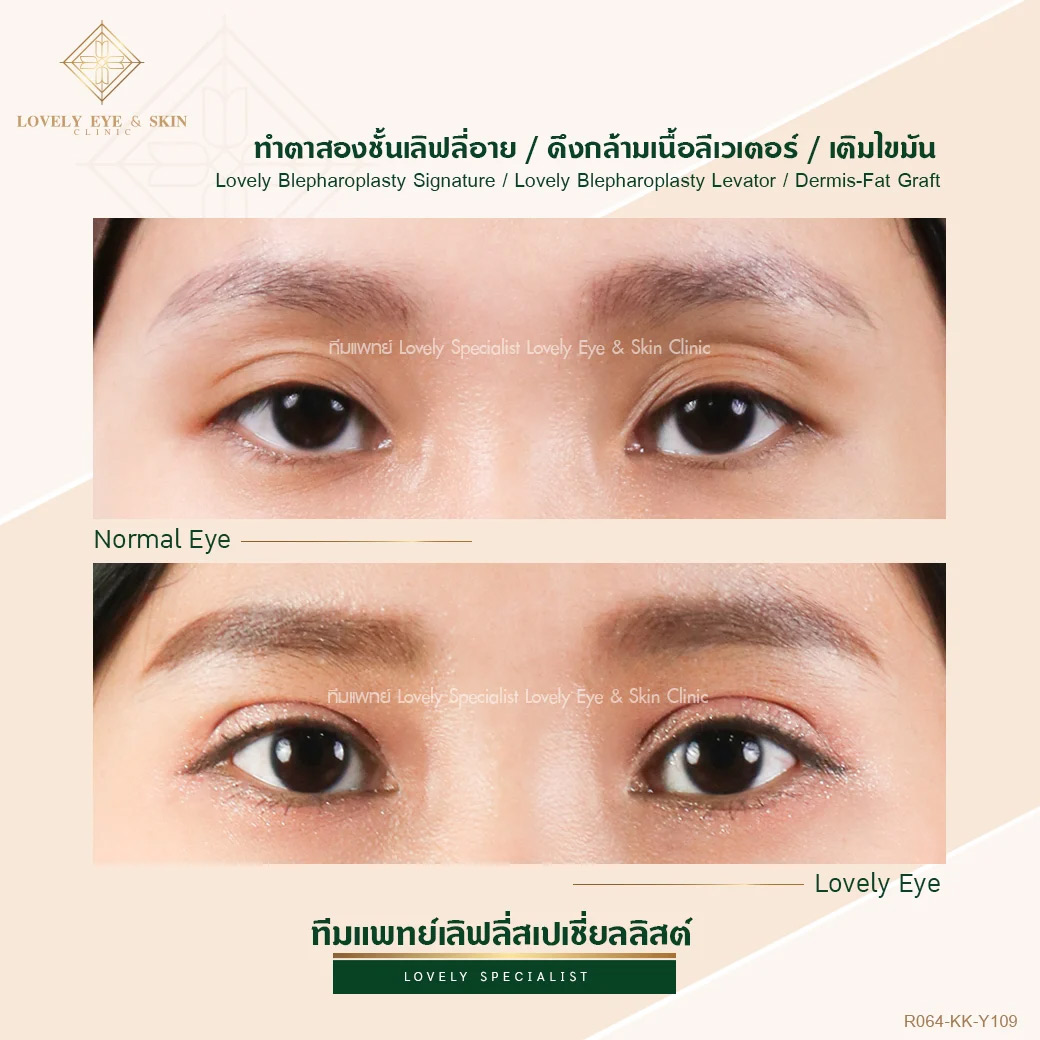
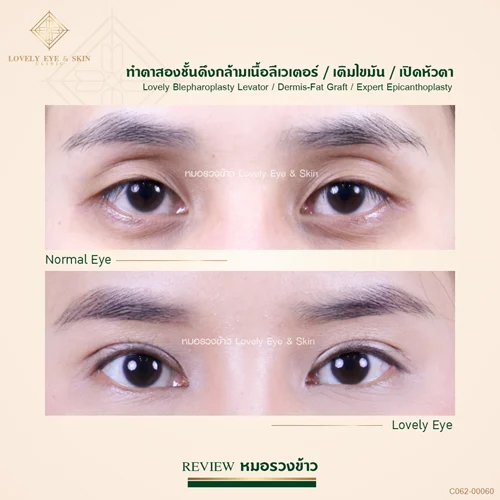
Summary
Ptosis is a condition caused by dysfunction of the muscle responsible for lifting the upper eyelid. It causes the upper eyelid to droop, giving the eyes a sleepy or tired appearance and, in more severe cases, obstructing vision. Ptosis may result from congenital factors, aging, prolonged eye strain, or complications from previous double-eyelid surgery. Common signs include the upper eyelid covering more than 2 mm of the iris, elevated eyebrows caused by compensation, and a hollow appearance around the upper eyelids. Depending on the underlying cause, treatment options may include medication or ptosis repair surgery.
To help maintain eyelid health, it is important to rest your eyes regularly, get enough sleep, and avoid habits that place excessive strain on the eyes or eyelids. If you are experiencing symptoms of ptosis, consulting an experienced specialist can help determine the most appropriate treatment. At Lovely Eye & Skin Clinic, our team specializes in diagnosing and treating eyelid conditions, including ptosis, with personalized treatment plans designed to restore both function and natural-looking results, helping you feel more confident in your daily life.
Frequently-Asked Questions (FAQ) About Ptosis
What are the differences between ptosis surgery and double eyelid surgery?
Double-eyelid surgery and ptosis repair surgery serve different purposes. Double-eyelid surgery is a cosmetic procedure designed to create or enhance the eyelid crease and, when necessary, remove excess eyelid skin using either a partial-incision or full-incision technique. It is commonly performed to turn monolids or hidden eyelid creases into more defined eyelids.
In contrast, ptosis repair surgery is a functional procedure that focuses on correcting the eyelid-lifting mechanism. It involves adjusting or tightening the levator muscle or its supporting tendon to raise the upper eyelid. This helps treat drooping eyelids, difficulty opening the eyes, and ptosis that may affect both vision and overall facial appearance.
What will happen if you undergo double eyelid surgery without correct ptosis?
Undergoing double eyelid surgery without correcting ptosis, it will only provide a minor improvement for droopy eyes. As a result, the eyelids may still appear overly thick and exaggerated. However, performing ptosis surgery together with double eyelid surgery addresses the root cause of the problem effectively. These procedures help strengthen levator muscle for lifting the upper eyelids. It also creates defined creases, making the eyes appear more open. You will not have to worry about sunken eyes or multiple eyelid creases anymore.
Is it true that your eyes will not be fully closed after surgery?
Yes, this is a common side effect which may occur approximately 1-3 months after ptosis surgery. It is usually caused by swelling, bruising, and tissue tightness during recovery period. In most cases, the symptoms will gradually improve over the healing process.
How long does it take for recovery after ptosis surgery?
Recovery after ptosis repair surgery typically takes about 1–2 weeks for the incision to heal and the initial swelling to subside. Swelling and bruising are usually most noticeable during the first 3 days after surgery, then gradually improve over the following days. In most cases, the incision continues to mature, and the eyelids achieve a more natural appearance within approximately 1 month.
Can ptosis reoccur after surgery?
Recurrence is possible, but it is relatively uncommon. When it does occur, it is often associated with the natural aging process or habits that place repeated stress on the eyelids, such as frequent vigorous eye rubbing or long-term contact lens wear. Over time, these factors may weaken or stretch the tissues that support the upper eyelid, increasing the risk of ptosis recurring.

She pioneered Dr. Roungkaw Technique since 2010 and serves as co-founder of Lovely Eye & Skin Clinic