


Swelling in one eye is a problem that many people may have experienced. It can occur for a variety of reasons, ranging from minor issues to signs of a more serious condition. So how can you tell whether swelling in one eye is dangerous, and how should it be treated? Let’s explore the answers in this article.
|
Table of Contents |
- Symptoms of Swelling in One Eye
- Causes of Swelling in One Eye
- When Should You See a Doctor for Swelling in One Eye
- How To Treat Swelling in One Eye
- How To Prevent Swelling in One Eye
- Frequently-Asked Questions About Swollen Eye
- Summary
Symptoms of Swelling in One Eye
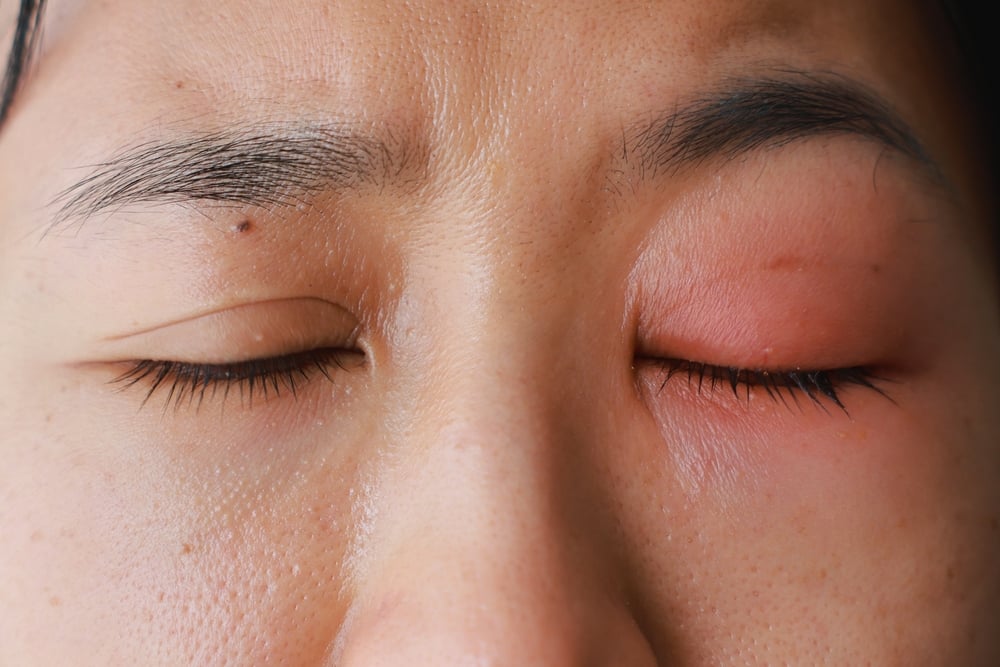
Swelling in one eye (a swollen eye) or swelling of one eyelid refers to a condition in which the eyelid becomes puffy or enlarged. This occurs due to fluid retention or inflammation in the tissues around the eye, or from eyelid inflammation (blepharitis). It may be accompanied by redness, warmth, dry eyes, pain, and irritation. In most cases, eye swelling is temporary and can be caused by various factors. However, if the symptoms are severe or the inflammation does not improve, you should seek medical attention from a specialist as soon as possible.
Causes of Swelling in One Eye
Swelling in one eye can be causes by multiple factors such as:
1. Conjunctivitis (Pink Eye)
Conjunctivitis occurs when the conjunctiva—the membrane covering the inside of the eyelids and the front surface of the eye—becomes infected. This condition usually causes redness, swelling, irritation, tearing, and eye discharge. It is commonly treated with medicated eye drops that help reduce inflammation and eliminate the infection.
Allergies occur when the immune system reacts to certain triggers, even if they are not harmful. Common triggers include pollen, dust mites, mold, and seafood. Symptoms may include eye swelling, itching, irritation, and watery eyes. People with allergies often rub their eyes, which can lead to complications such as conjunctivitis.
2. Stye
A stye is caused by a bacterial infection in the eye area, leading to inflammation of the oil glands. It typically appears as a red, swollen lump or pus-filled bump on one eyelid, accompanied by pain and irritation. Even after it heals, a stye can recur. Maintaining good hygiene around the eyes can help prevent infection.
3.Thyroid Eye or Graves’ Disease
This condition is caused by an abnormal immune response that leads to an overactive thyroid (hyperthyroidism). It can cause inflammation in the eyes, resulting in swelling (especially under the eyes), bulging eyes, dryness, irritation, and blurred vision.
4. Eye Cancer or Ocular Lymphoma
Certain types of cancer affecting the eye or surrounding tissues can cause noticeable swelling around or under the eyes. In severe cases, this may impact vision and potentially lead to vision loss.
5. Eye Rubbing
Frequent or forceful eye rubbing can cause inflammation and damage to the skin. It may also lead to bruising of the small blood vessels in the eyelid, causing leakage of fluid or blood. This can result in swelling and darkening of the skin around the eyes.
6.Crying Excessively
Prolonged crying can lead to swollen eyes. This happens due to increased blood flow and fluid accumulate around the eyes. If crying continues for a long time, tiny blood vessels may break, leading to fluid buildup and swelling.
7. Eye Surgery
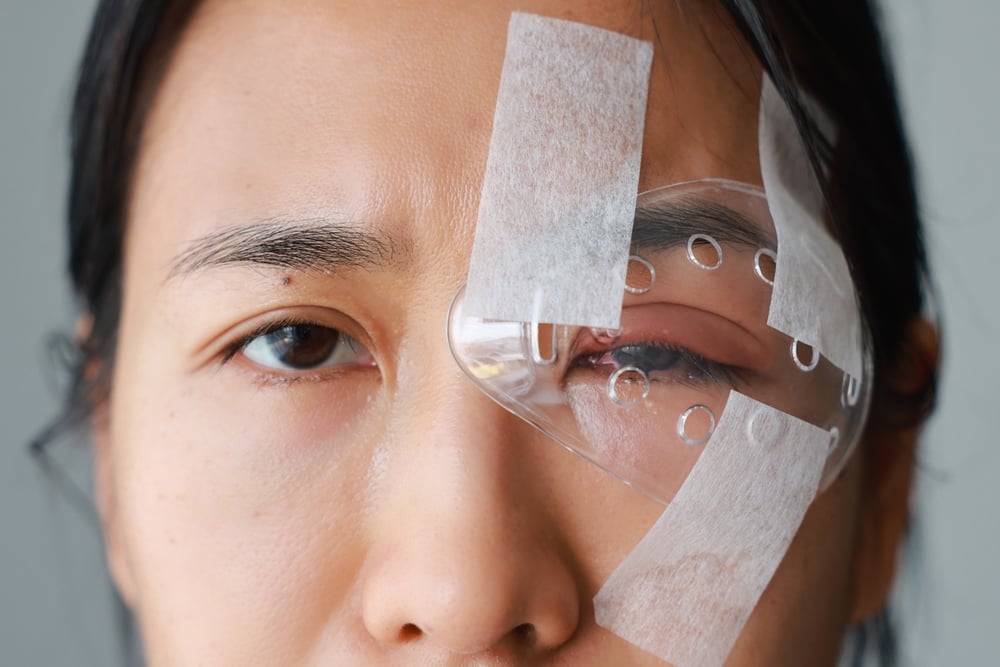
Swelling after eyelid surgery is normal, especially during the first week, and will gradually subside. However, if the swelling persists longer than expected, it may indicate improper aftercare or other complications.
When Should You See a Doctor for Swelling in One Eye?
- Swelling that persists for more than 2 days
- A hard lump, nodule, or pus on the eyelid
- Pain in the eye or around the swollen area
- Green or yellow eye discharge, which may indicate an infection
- Changes in vision, such as reduced vision, double vision, narrowed visual field, or difficulty moving the eye
- High fever, dizziness, or confusion
If you experience any of these symptoms, you should see a doctor immediately for proper diagnosis and treatment.
How To Treat Swelling in One Eye
-
A cold compress is one of the easiest ways to reduce swelling in one eye and around the eye area. You can use a clean cold cloth, an ice pack, or a chilled eye mask. Apply it to the affected area for 10–15 minutes at a time, several times a day.
- Warm compress: if the swelling is caused by a stye, a warm compress is recommended. Use a clean cloth soaked in warm water (wrung damp), a hot compress pack, or a warm gel pack. Apply for 10–15 minutes, 3–4 times a day.
- Gentle eye cleaning to maintain hygiene and remove any irritants.
- Avoid rubbing or touching the eyes: excessive rubbing or touching can worsen inflammation and make symptoms more severe.
- Avoid using certain cosmetics or skincare products on the eyelids: some moisturizer products may irritate the sensitive skin around the eyes or cause fluid retention, leading to increased swelling. (Note: Most standard products do not contain hormones, but irritation or allergic reactions can still occur.)
- Medications: a doctor may prescribe eye drops or antibiotics if the condition is caused by an infection or abnormal inflammatory response.
- Surgical treatment: in cases of persistent or chronic eyelid swelling, eyelid surgery may be an option. This should be discussed with a qualified specialist, such as an ophthalmologist or a plastic surgeon.
How To Prevent Swelling in One Eye

- Maintain proper hygiene around the eyes and face regularly
- Avoid touching or rubbing your eyes excessively
- Remove all makeup before going to bed every night
- Replace eye makeup regularly (such as eyeliner, eyeshadow, and mascara) to prevent the buildup of bacteria
- Reduce salty food intake and drink enough water
- Avoid smoking
- Exercise regularly
- Get enough sleep
Frequently-Asked Questions About Swollen Eye
- How long does it take for red or swollen eye to heal?
- If caused by an allergic condition, symptoms usually improve within 2-3 days.
- If caused by an bacterial or virus infection, symptoms usually improve with 7-10 days.
If swollen eye is caused by other chronic symptoms, it might take longer than 4 weeks to fully recover. If the swelling lasts longer than 2 days, or is accompanied by a hard lump, pus, or pain in the affected area, you should seek medical advice for an accurate diagnosis and appropriate treatment.
- How can swollen eye be treated?
- Apply cold compress: help reduce swelling and soothe irritation.
- Use eye drops: if the condition is caused by an infection, medicated eye drops may be prescribed
- Maintain proper hygiene keeping the eye area clean and avoiding contact with unclean hands or irritating products.
- How does applying cold compress help ?
Swelling from bruising around the eyes:
- Apply a cold compress during the first 24 hours to help constrict blood vessels and reduce bruising more quickly.
- Eye allergies
- Redness or swelling from insect bites
- Swelling caused by crying
- After eyelid surgery: applying a cold compress is recommended during the first 72 hours to help control bleeding and reduce swelling. After 72 hours, warm compresses can be used instead.
- What are the causes of swollen eye in the morning ?
Swollen eye in the morning can be caused by multiple factors, including allergies, sleep deprivation, hormonal changes, and certain medications that cause fluid retention around the eyes. Common examples include antihypertensive drugs and antidepressants. If the swelling persists or is accompanied by other symptoms, medical consultation is recommended.
Summary
Swelling in one eye can often be treated and prevented with simple measures, such as applying a cold compress, getting enough rest, avoiding allergens, and maintaining proper eye hygiene. These steps can help gradually reduce the swelling. However, if symptoms do not improve after initial care, it is recommended to seek medical attention promptly.
For further inquiries, please contact: Lovely Eye & Skin Clinic
Call Center : (+66)2-382-0045, (+66)61-405-0044
Line Official Account : @Lovelyeye
Messenger : https://www.facebook.com/KoreanEyeByDoctorCome

Information provided by Dr. Mina Lovely Eye (Dr. Mina Naratippakorn, M.D. Medical License No. 43109
One of the Lovely Specialist medical team for double eyelid surgery, Dr. Roungkaw Technique, Lovely Eye & Skin Clinic (2020 - present)