


Key Takeaway
- Why Are Younger People Experiencing Ptosis? Prolonged eye strain, long-term contact lens wear, and frequent vigorous eye rubbing can contribute to premature weakening and stretching of the levator aponeurosis.
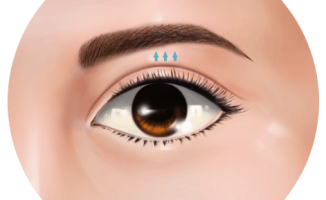
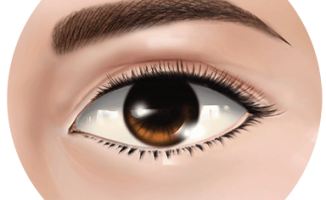
- What Is Ptosis? Ptosis is a condition in which the upper eyelid droops and covers more than 1.5–2 mm of the iris. Common signs include constantly sleepy-looking eyes, uneven eyelid positions, and frequent eyebrow raising to help open the eyes.
- Why Do My Eyes Still Look Droopy After Double Eyelid Surgery? This may occur when conventional double eyelid surgery focuses only on removing excess skin or creating an eyelid crease without correcting the weakened levator muscle underneath, leaving the eyes unable to open fully.
- Who Is Suitable for Revision Double Eyelid Surgery Combined with Ptosis Correction? This includes individuals with congenital ptosis, uneven eyelid opening, persistent sleepy-looking eyes after previous double eyelid surgery, or hidden double eyelid creases caused by abnormal levator muscle function.
Many people may worry about the results of their double eyelid surgery, especially when their eyes still appear droopy afterward. For example, “Why do my eyes still look droopy after double eyelid surgery?” This concern should not be overlooked, as it may be a sign of ptosis. This article explains how to recognize the signs of ptosis and explores revision double eyelid surgery combined with ptosis treatment to help create a fresher, more natural-looking eye appearance that complements individual facial features.
|
Table of Contents |
- Why Is "Ptosis" Becoming More Common Among Young People
- Why Do Eyes Still Appear Droopy After Double Eyelid Surgery
- What is Ptosis
- Causes of Ptosis
- How Does Ptosis Affect Double Eyelid Surgery
- How Is Double Eyelid Revision Combined with Ptosis Correction Performed
- What Are the Differences Between Double Eyelid Revision Alone and Double Eyelid Revision with Ptosis Correction
- Who Is Suitable for Ptosis Double Eyelid Surgery
- Steps in Examination and Planning Before Double Eyelid Revision
- Double Eyelid and Ptosis Surgery Aftercare Guide
- What Results Can You Expect After Double Eyelid Revision and Ptosis Correction
- Why Choose Lovely Eye & Skin Clinic for Double Eyelid Revision with Ptosis Treatment
- Double Eyelid and Ptosis Surgery Aftercare Guide
- Frequently-Asked Questions (FAQ) About Ptosis Eyelid Surgery

Why Is Ptosis Becoming More Common Among Young People?
What is ptosis, and why is it becoming more common among younger people? Ptosis may develop as a result of daily lifestyle habits, including wearing contact lenses for extended periods, particularly hard contact lenses, or repeatedly pulling on the eyelids when inserting and removing them. These habits can cause the levator aponeurosis, the tendon responsible for lifting the upper eyelid, to stretch and loosen earlier than normal.
In addition, people with allergic conjunctivitis or dry eyes caused by prolonged screen use may experience itching and rub their eyes vigorously. Frequent eye rubbing can contribute to damage to the eyelid's supporting structures. Information from the National Center for Biotechnology Information (NCBI) indicates that repeated mechanical stress on the eyelids is among the contributing factors associated with ptosis in young adults.
Why Do Eyes Still Appear Droopy After Double Eyelid Surgery?
Some people find that their eyes still look sleepy or that their eyelid creases become uneven or develop multiple folds after undergoing double eyelid surgery. One of the main reasons is that conventional double eyelid surgery may have been performed without identifying and correcting an underlying issue with the eyelid muscle.
Creating an eyelid crease alone in someone who already has ptosis may result in excessively thick eyelid folds, commonly referred to as sausage eyelids, a hollow-looking upper eyelid, or more noticeable drooping.
What is Ptosis?
Many people wonder what ptosis is and how it affects the eyes. Ptosis is a medical condition in which the upper eyelid margin droops and covers more of the iris than normal. Generally, the upper eyelid covers approximately 1–1.5 millimeters of the upper iris. When the eyelid droops and covers more than 1.5–2 millimeters, it may indicate ptosis. This condition can make the eyes appear sleepy, tired, or less alert. If left untreated, more severe cases may affect the visual field.
How Can You Recognize the Signs of Ptosis?
- Upper eyelid covering the iris: Look straight in a mirror. If the upper eyelid margin covers a significant portion of the iris, the eyes may appear smaller than usual.
- Uneven-looking eyes: One eye may have a visible double eyelid crease while the other has a hidden crease, making the eyes appear noticeably different in size.
-
Habitual eyebrow raising: Frequently raise your eyebrows or forehead to help open your eyes wider.
-
Premature forehead wrinkles: Repeatedly raising the eyebrows to compensate for drooping eyelids may contribute to visible forehead lines.
-
Tilting the head backward: You may frequently lift your chin or tilt your head back to see more clearly.

Causes of Ptosis
- Lifestyle habits: Long-term contact lens use and frequent vigorous eye rubbing.
- Aging: The elasticity of the skin and the supporting structures of the eyelid gradually weakens with age, causing the eyelids to droop.
- Congenital factors: The levator muscle may not develop properly before birth, resulting in drooping eyelids from childhood.
- Injury or previous surgery: Trauma around the eyes or complications from previous eyelid surgery may affect the eyelid-lifting mechanism.
- Neurological disorders: Conditions such as Myasthenia Gravis (MG) or abnormalities involving the nerves responsible for eyelid movement may cause ptosis. In patients with MG, doctors must carefully evaluate whether double eyelid surgery is appropriate, as the condition may increase the risk of complications or uneven eyelid creases. Surgery may not be suitable in some cases. Patients should first receive appropriate medical treatment or consult a neurologist to help stabilize the condition and improve muscle function.
How Does Ptosis Affect Double Eyelid Surgery?
Ptosis can significantly affect the outcome of double eyelid surgery. If underlying ptosis is not identified and only a double eyelid crease is created, the eyelids may appear uneven, the crease may become less stable, or multiple eyelid folds may develop, resulting in hidden double eyelids.
In addition, if a surgeon attempts to correct drooping eyelids by only removing excess upper eyelid skin without addressing the underlying levator muscle problem, it may lead to difficulty closing the eyes completely, difficulty opening the eyes, and chronic dry eyes. These problems may also affect a person's appearance and confidence in social interactions, as the eyes may continue to look tired or less expressive.
How Is Double Eyelid Revision Combined with Ptosis Correction Performed?
This procedure requires more complex surgical techniques than conventional double eyelid surgery. Before surgery, the doctor must carefully evaluate the patient's eye condition, identify the underlying problems, and review their medical and surgical history. This includes asking whether the patient has undergone previous eyelid procedures, what techniques were used, and how many times the eyes have been operated on.
The surgical approach may involve adjusting or suturing the internal levator muscle to improve its tension and function, allowing the upper eyelids to open wider while maintaining a natural-looking appearance.
The doctor then creates or adjusts the double eyelid crease to complement the patient's facial structure. This combined approach may help address drooping eyelids, uneven eye opening, excessively thick eyelid folds, or hollow-looking upper eyelids associated with previous double eyelid surgery. However, each patient's condition is different. A detailed assessment is necessary to determine whether the problems can be corrected, the complexity of the revision, and the most appropriate treatment approach based on the patient's age and individual eye structure.
What Are the Differences Between Double Eyelid Revision Alone and Double Eyelid Revision with Ptosis Correction?
Conventional Double Eyelid Revision
For people experiencing hidden double eyelids or uneven eyelid creases, conventional double eyelid revision focuses on adjusting the skin and fatty tissue of the upper eyelids. The procedure aims to create a new eyelid crease or improve the definition of an existing crease without directly adjusting the deeper levator muscle. This approach may be suitable for individuals with hidden double eyelids, uneven eyelid creases, or drooping upper eyelid skin associated with excess fatty tissue, provided that the eyelid-lifting muscles are functioning normally.
Double Eyelid Revision with Ptosis Correction
Double eyelid revision combined with ptosis correction addresses complex structural problems involving the eyelid-lifting muscle. During the procedure, the doctor adjusts the levator muscle to improve upper eyelid elevation while also reshaping the eyelid contour and creating a new double eyelid crease. This approach is intended for patients with drooping eyelids, uneven eye opening, or persistent ptosis following previous eyelid surgery.
Although the procedure may be more complex than conventional double eyelid revision, it addresses the underlying structural problems. In many revision cases, patients may also have previously undiagnosed ptosis that was not corrected during their initial surgery.

Who Is Suitable for Ptosis Double Eyelid Surgery?
- People seeking revision after previous double eyelid surgery: Those who have undergone eyelid surgery elsewhere but still experience drooping eyelids, difficulty opening their eyes fully, or excessively thick eyelid creases (sausage eyelids) because the underlying levator muscle problem was not addressed.
- People whose upper eyelids cover a significant portion of the iris: The upper eyelid may droop more than 1.5–2 millimeters over the iris, making the eyes appear smaller, sleepy, or constantly tired.
- People with uneven eye opening: One eye may expose more of the iris than the other, or multiple eyelid folds may create noticeable asymmetry.
- People with hidden double eyelids: The original eyelid crease may become less visible, or the upper eyelid skin may droop over the crease, accompanied by difficulty opening the eyes.
- People who habitually raise their eyebrows to improve vision: Frequent eyebrow raising, forehead lifting, or tilting the head backward to open the eyes wider may contribute to premature forehead wrinkles.
Steps in Examination and Planning Before Double Eyelid Revision
- Medical history and assessment of concerns: The doctor asks about the patient's symptoms, expectations, previous eyelid surgery, and underlying medical conditions.
- Initial assessment of eyelid opening and drooping: The doctor measures the position of the upper eyelid in relation to the iris to evaluate the severity of ptosis and identify possible conditions such as Myasthenia Gravis (MG).
- Evaluation of the existing eyelid crease and tissues: The doctor examines the eyelid crease, eyelid thickness, amount of fatty tissue, and skin condition around the eyes.
- Personalized treatment planning: The doctor designs an appropriate treatment approach based on the patient's individual concerns and facial structure, including the surgical technique and the degree of levator muscle adjustment required.
Double Eyelid and Ptosis Surgery Aftercare Guide
- Apply cold compresses around the eyes during the first 1–3 days to help reduce swelling and bruising.
- Sleep with your head elevated to help reduce postoperative swelling.
- Avoid rubbing your eyes or applying excessive pressure to the surgical area.
- Avoid wearing contact lenses and applying eye makeup until the surgical wounds have healed.
- Take prescribed medications and clean the surgical wounds according to your doctor's instructions.
What Results Can You Expect After Double Eyelid Revision and Ptosis Correction?
After ptosis eyelid surgery, patients may notice that their eyes open wider and more of the iris becomes visible without needing to raise their eyebrows or wrinkle their forehead. The eyes may appear brighter, more lively, and more natural, with less noticeable drooping. The procedure also aims to create more defined and symmetrical double eyelid creases while addressing hidden or excessively thick eyelid folds.
Why Choose Lovely Eye & Skin Clinic for Double Eyelid Revision with Ptosis Treatment?
- 1. Doctor Roungkaw Technique: The clinic follows the Doctor Roungkaw Technique while allowing each doctor to apply their individual surgical approach according to each patient's concerns. The aim is to achieve results suited to each individual while maintaining their natural appearance.
- 2. Personalized eyelid structure design: Treatment planning focuses on addressing the patient's actual eyelid problems rather than considering aesthetic appearance alone.
- 3. Hospital-standard safety practices: Surgical instruments undergo cleaning and sterilization through the Lovely Surgical Instrument Sterile Unit, which is equipped with a steam sterilizer (AUTOCLAVE) certified under ISO 13485:2016.
- 4. Attentive and personalized care: The Lovely Special Care team provides individual assistance and consultation before and after treatment. The clinic also uses patient feedback to continuously improve its service quality.
- 5. More than 10 years of clinical experience: With over a decade of operation, the clinic provides a variety of real patient reviews that allow prospective patients to explore different surgical outcomes and the doctors' experience.
- 6. Daily online consultation services: Patients can contact the clinic through online channels every day to ask questions and receive information before deciding on a procedure. For more information, contact Lovely Eye & Skin Clinic via LINE OA.
Summary
Double eyelid revision combined with ptosis treatment involves more than improving the external appearance of the eyelids. It also addresses deeper structures, particularly the levator muscle responsible for lifting the upper eyelid. Unlike conventional double eyelid surgery, which primarily focuses on adjusting excess skin and fatty tissue, ptosis eyelid surgery addresses problems related to the eyelid-lifting mechanism.
If ptosis is present but the underlying levator muscle problem is not treated, patients may experience unstable eyelid creases, uneven eyelids, or excessively thick folds commonly referred to as sausage eyelids.
Combining double eyelid revision with ptosis correction may therefore be an appropriate approach for patients whose eyes still appear droopy after previous surgery, those whose upper eyelids cover part of the iris, or those who frequently raise their eyebrows to improve their vision. The intended result is a more open, naturally rounded eye shape that complements the individual's facial features.
If you are concerned about your eyelid appearance or considering double eyelid revision together with ptosis treatment, you can consult Lovely Eye & Skin Clinic for an individual assessment. The clinic provides evaluations of eyelid concerns and underlying eye structures to help develop a treatment plan suited to your needs and desired appearance.
Frequently-Asked Questions (FAQ) About Ptosis Eyelid Surgery
How long is the Recovery Period After Ptosis Surgery?
The recovery period following ptosis correction combined with double eyelid surgery is generally similar to that of conventional double eyelid surgery. Most patients experience the most noticeable swelling and bruising during the first 3–5 days, after which the swelling gradually subsides. Swelling gradually improves within 2–4 weeks, while the eyelid creases may take approximately 3–6 months to settle into a more natural appearance. However, recovery time varies depending on the patient's physical condition and postoperative care.
Why Should Ptosis Be Corrected Together with Double Eyelid Surgery?
If a patient has ptosis but undergoes double eyelid surgery without adjusting the underlying levator muscle, the eyes may continue to appear droopy, sleepy, or unable to open fully. This may also result in excessively thick eyelid folds, commonly called sausage eyelids, unstable eyelid creases, or hidden double eyelids over time. Combining double eyelid surgery with ptosis correction therefore helps address the underlying cause of the problem.
In many cases, evaluating the function of the eyelid-lifting muscle before surgery is an important consideration. Otherwise, patients may eventually require revision surgery to address problems that were not corrected during the initial procedure.
Can Botox Injections or Topical Creams Treat Ptosis?
Ptosis caused by stretching or loosening of the levator aponeurosis, known as aponeurotic ptosis, cannot be corrected with topical creams or Botox injections. Eye creams may only help improve skin hydration and reduce the appearance of fine lines around the eyes. Meanwhile, Botox injections around the forehead or eyebrows to reduce wrinkles caused by frequent eyebrow raising may lead to eyebrow drooping as a side effect. This can make the upper eyelids appear even lower and further obstruct vision. For this type of ptosis, surgery for levator muscle adjustment is an appropriate treatment approach.

Information provided by Dr. Roungkaw Lovely Eye (Nutthamanee Siripakkaphant, M.D. Medical Licese No. 35780)
She pioneered Dr. Roungkaw Technique since 2010 and serves as co-founder of Lovely Eye & Skin Clinic